Solara: A documentation portal that turned curious developers into daily users.

PlatformWeb
RoleUX Lead
Year2024
CollaboratorsMaarten Breddels (PO), Pei Liu (PM), Lisakki Rotko & Mario Buikhuizen (SWE)

Documentation portal and design system for an open-source Python framework.

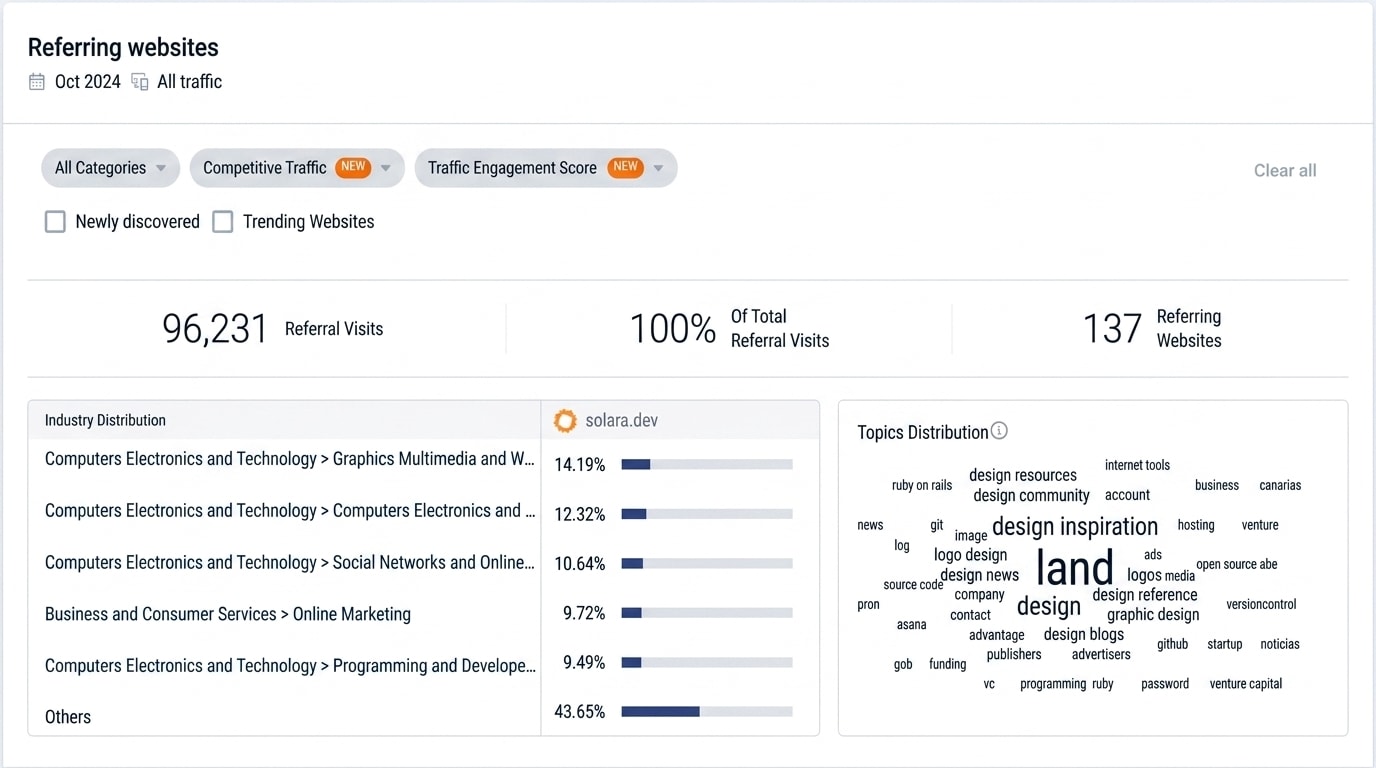
Solara, an open-source Python web framework, lacked the infrastructure to sell. I owned the design strategy for a documentation portal that drove 170,000 monthly downloads and reached 30,000 developers — growing the total addressable market to $10 million.

Overview

Support the future of front-end development in the Python ecosystem.

Solara, an open-source web development framework, empowers developers to create scalable, high-quality web applications using pure Python, prioritizing ease of use and maintainability.

Although our user base was booming with over 2,000 stars on GitHub, we lacked a professional documentation portal to communicate our capabilities and support users — hindering growth and monetization.

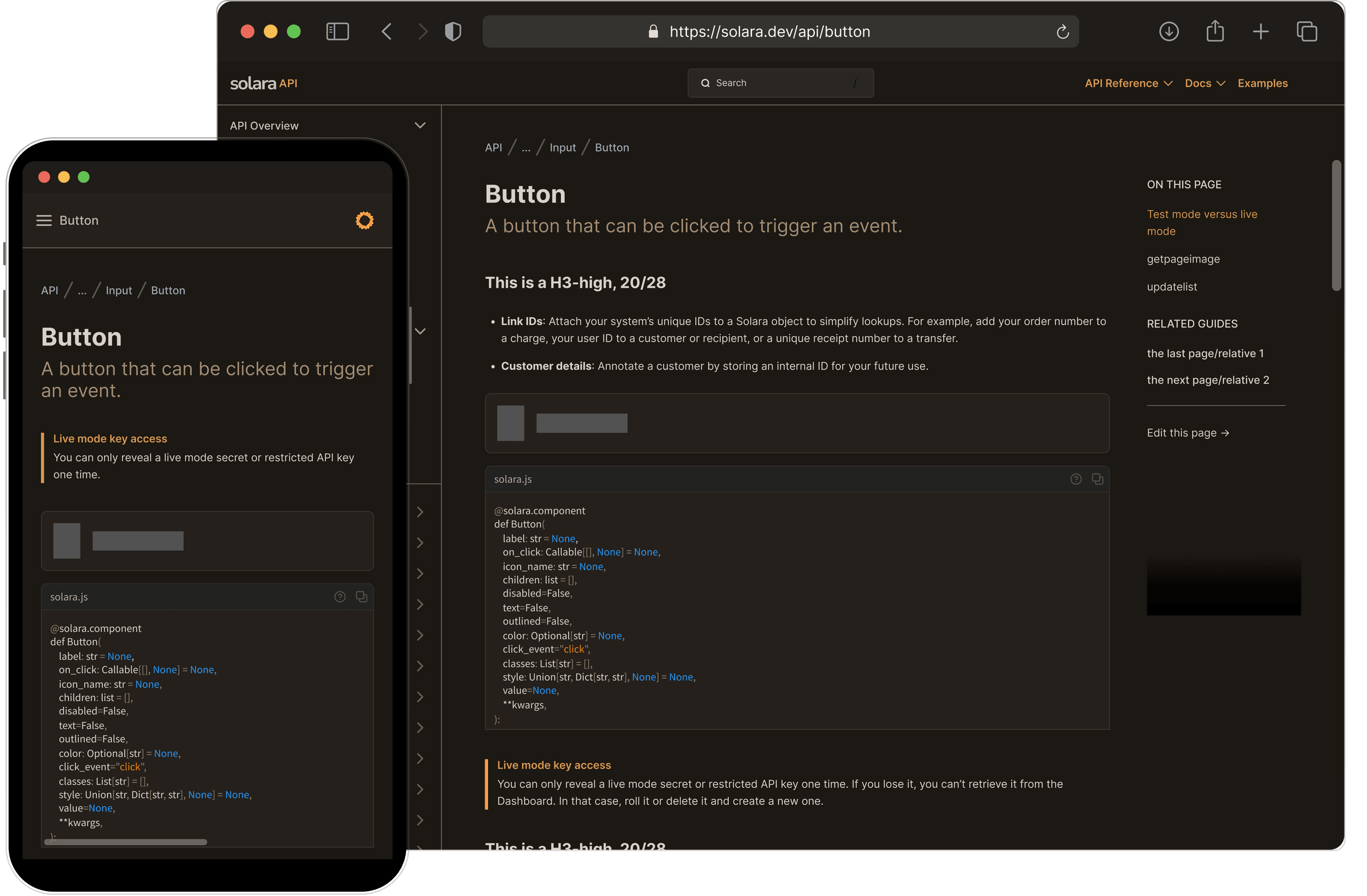
I owned the design strategy for the Solara documentation portal as UX Lead, collaborating cross-functionally within a team of 5 to prototype and implement feature sets. Over 200 design components were integrated into the existing codebase, revamping in-house components.

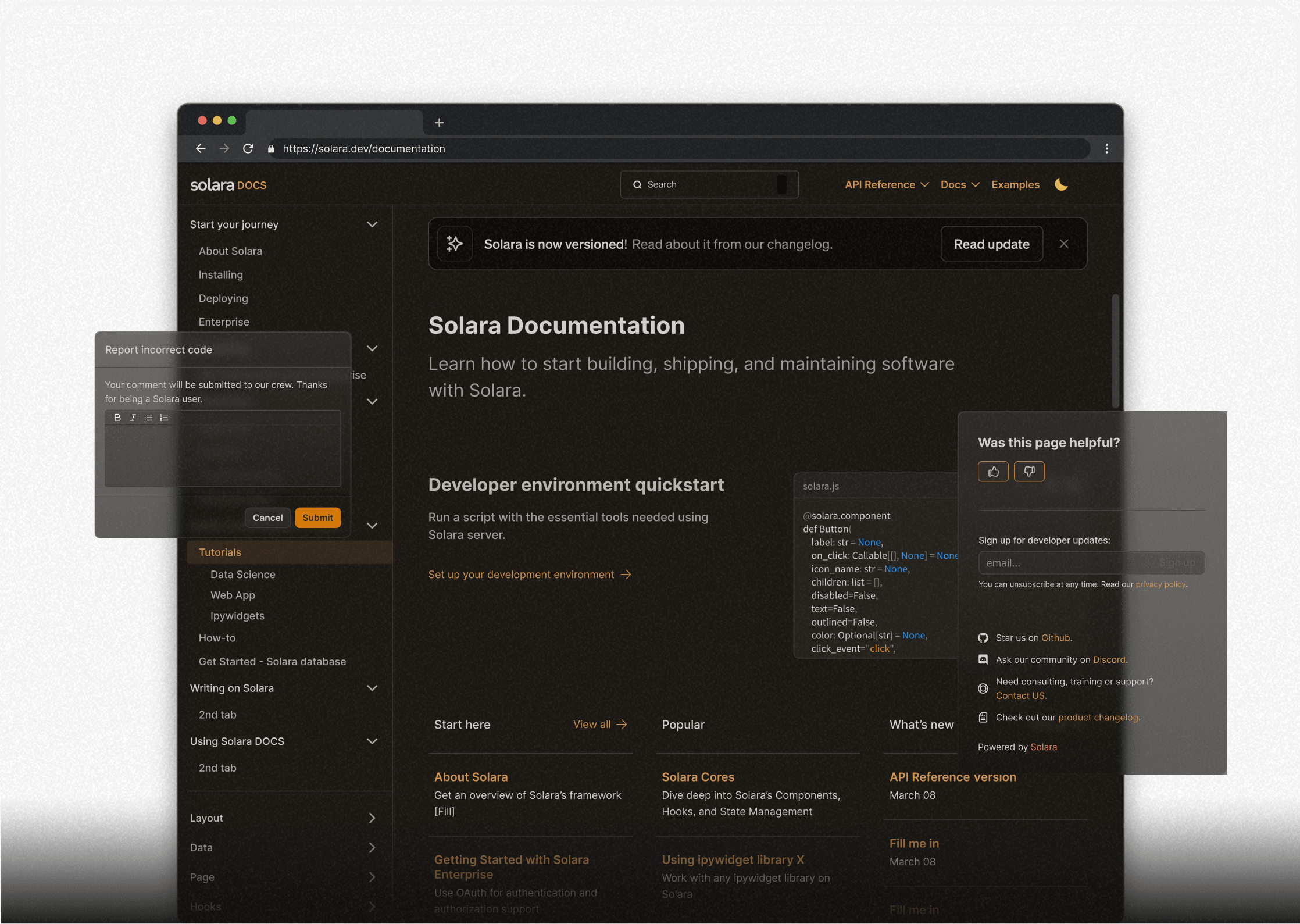
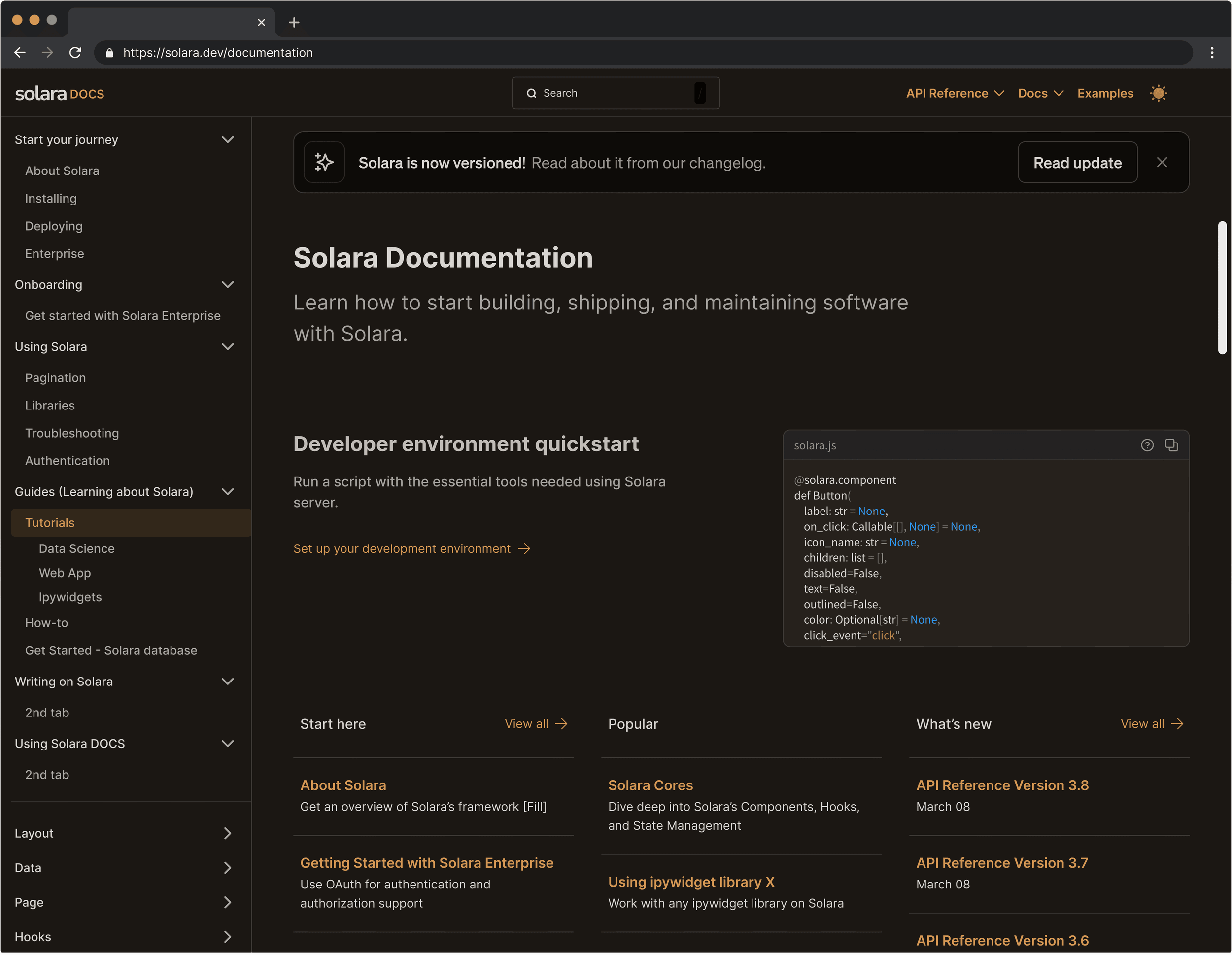
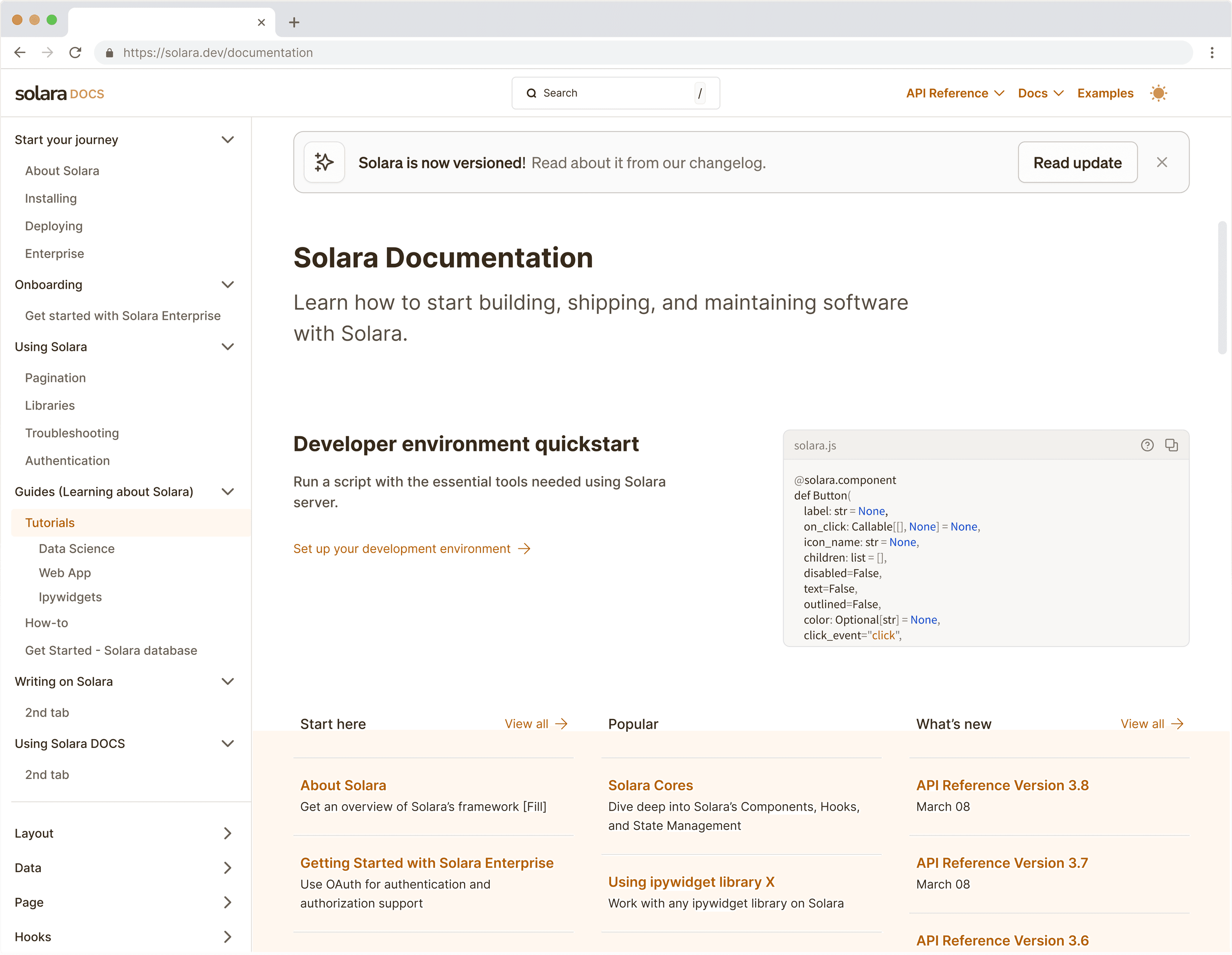
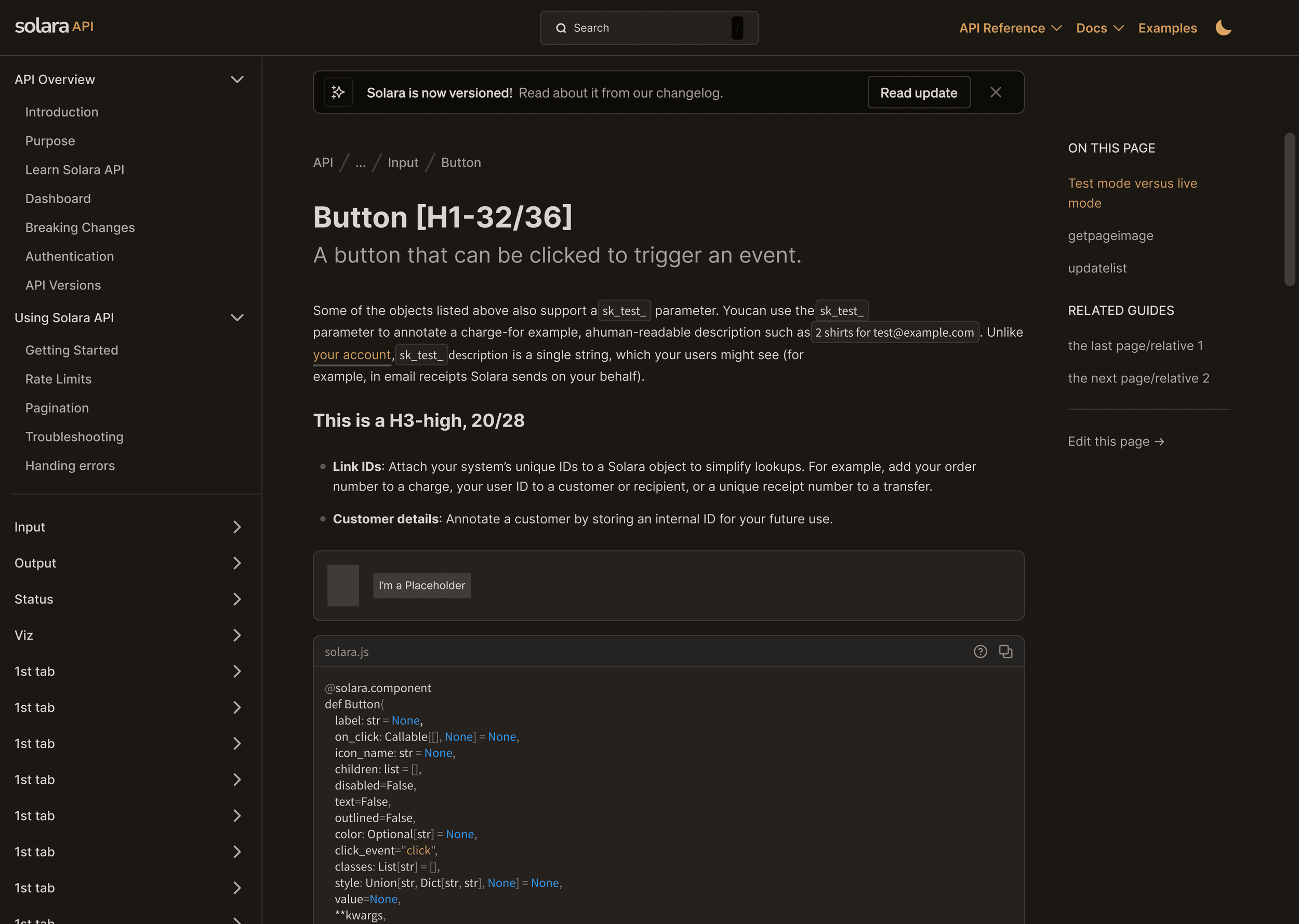
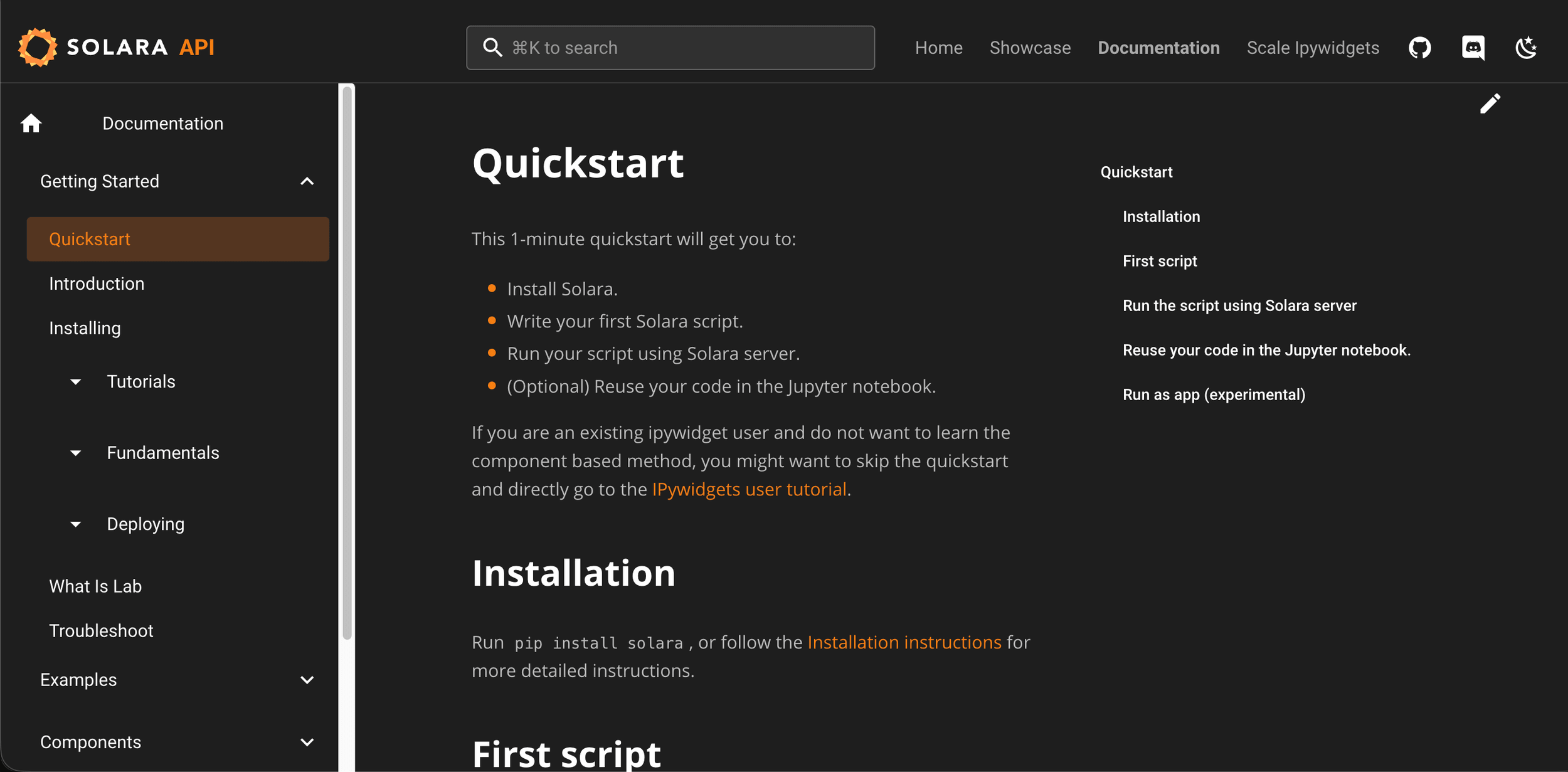
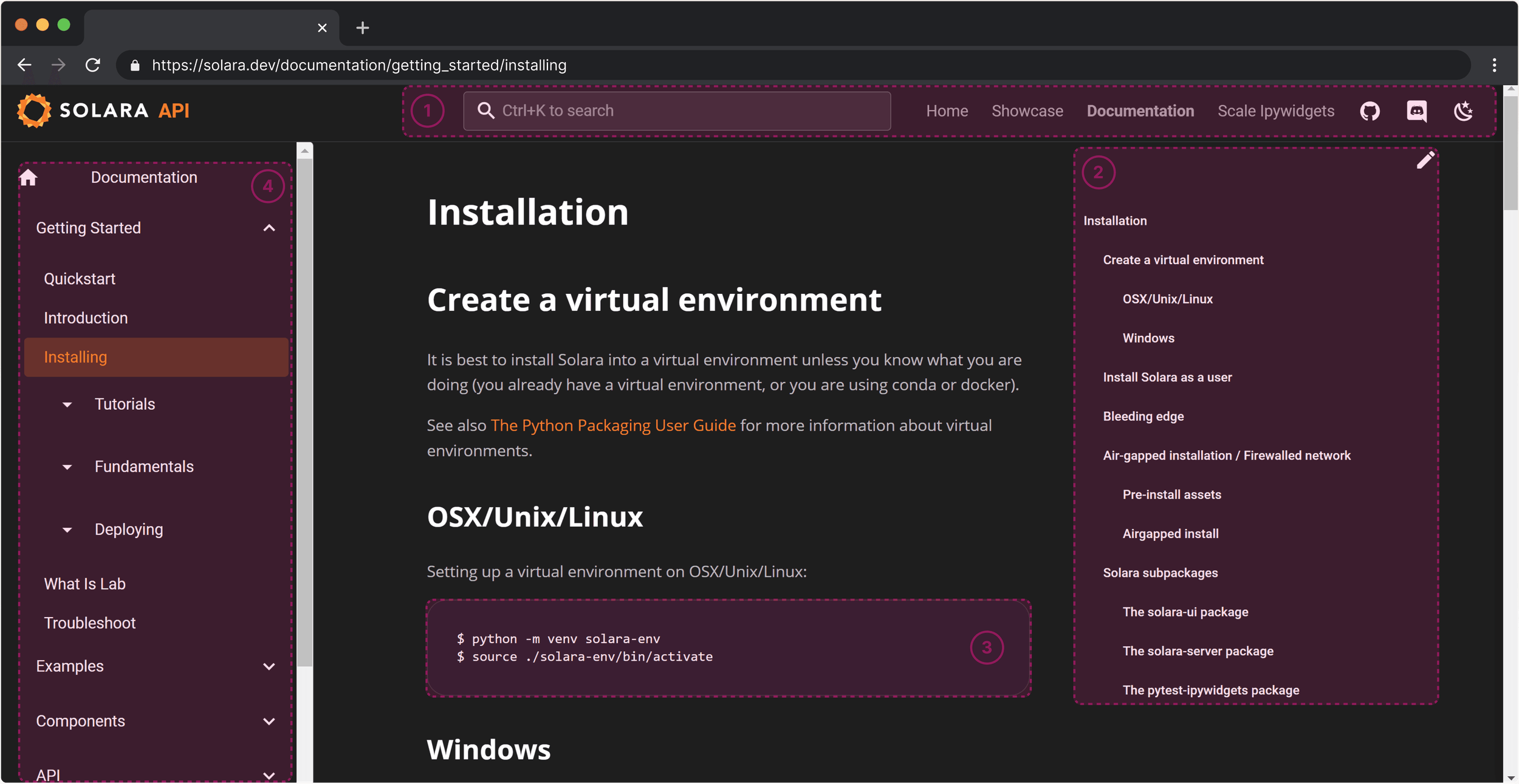
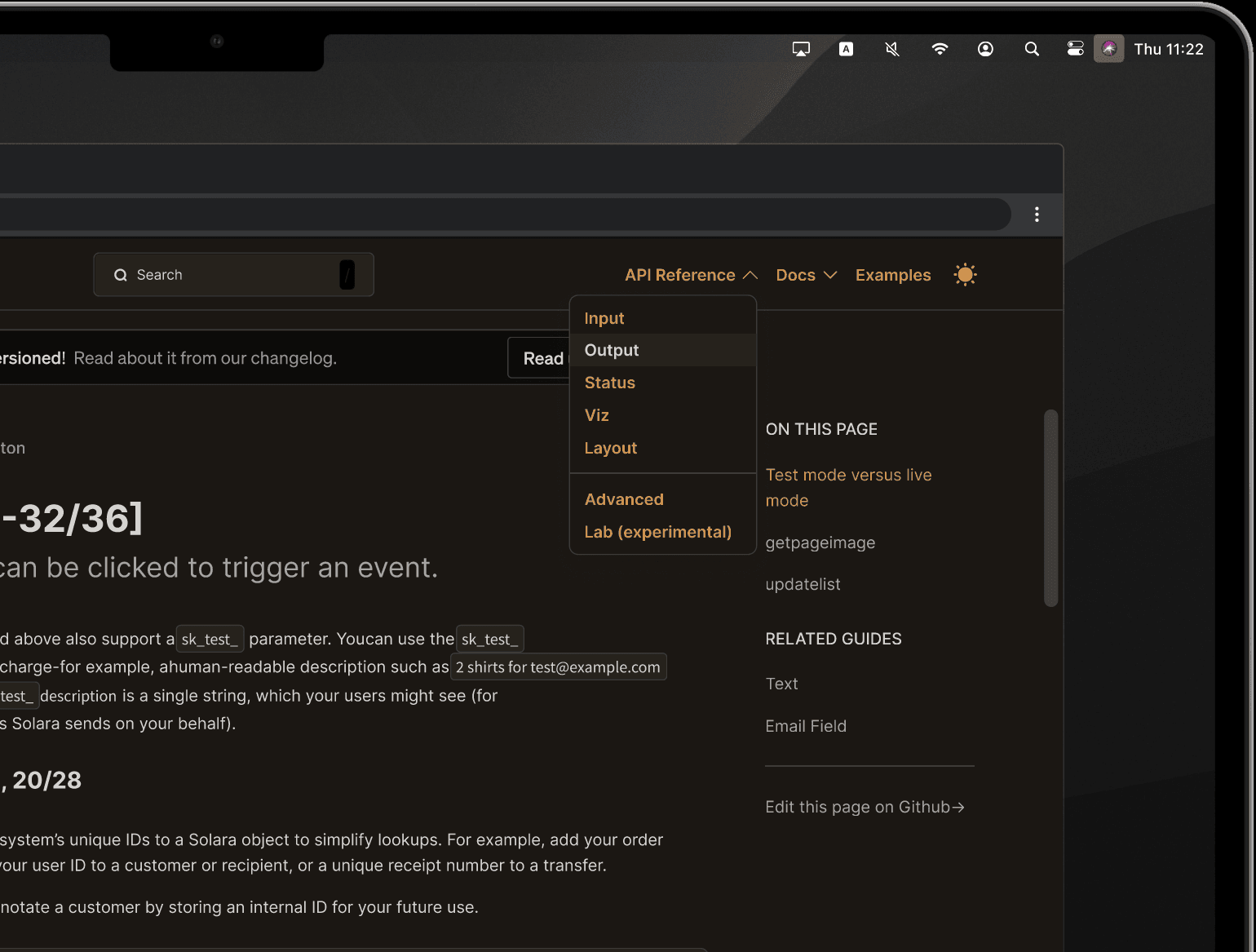
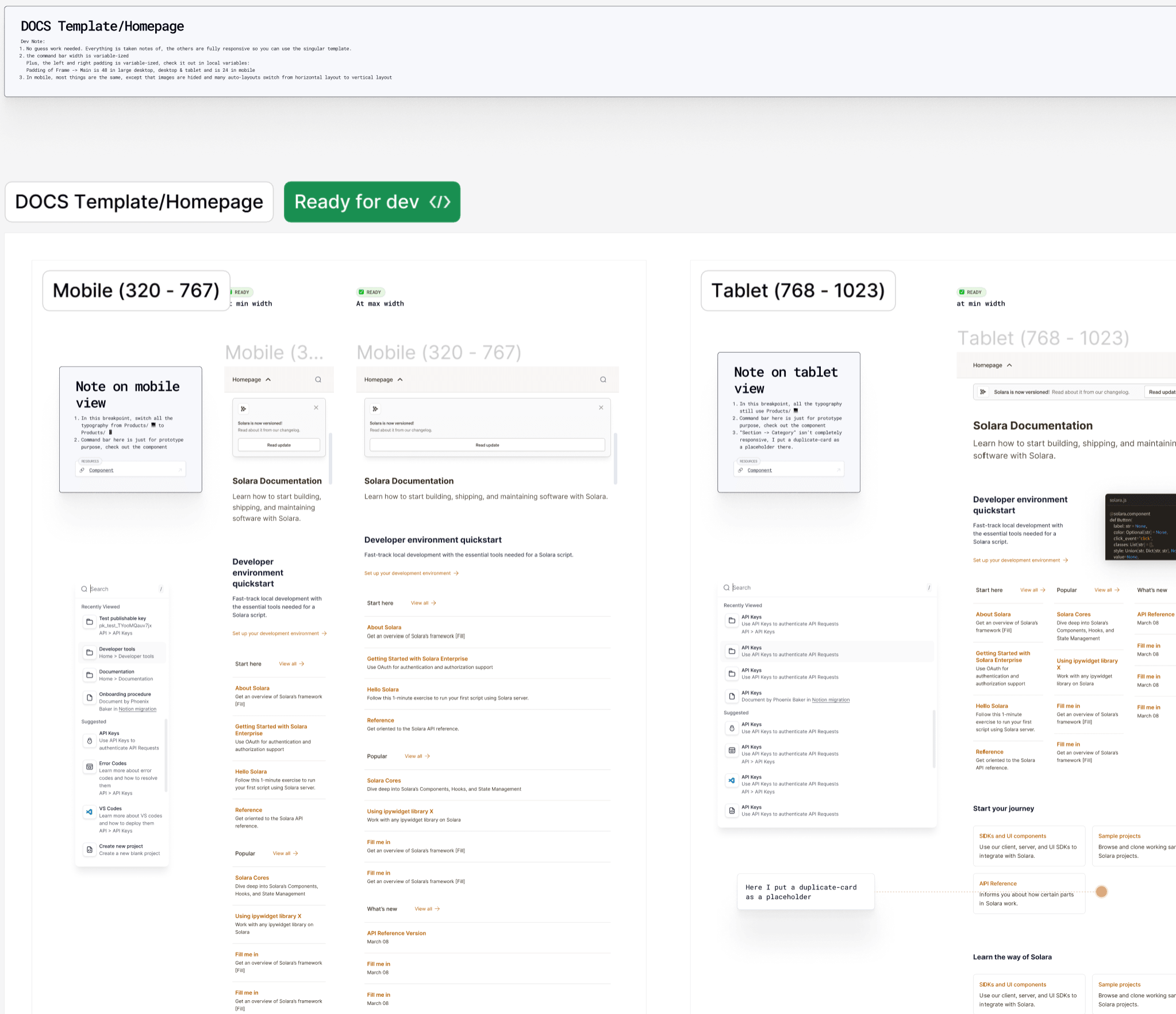
Solara documentation portal
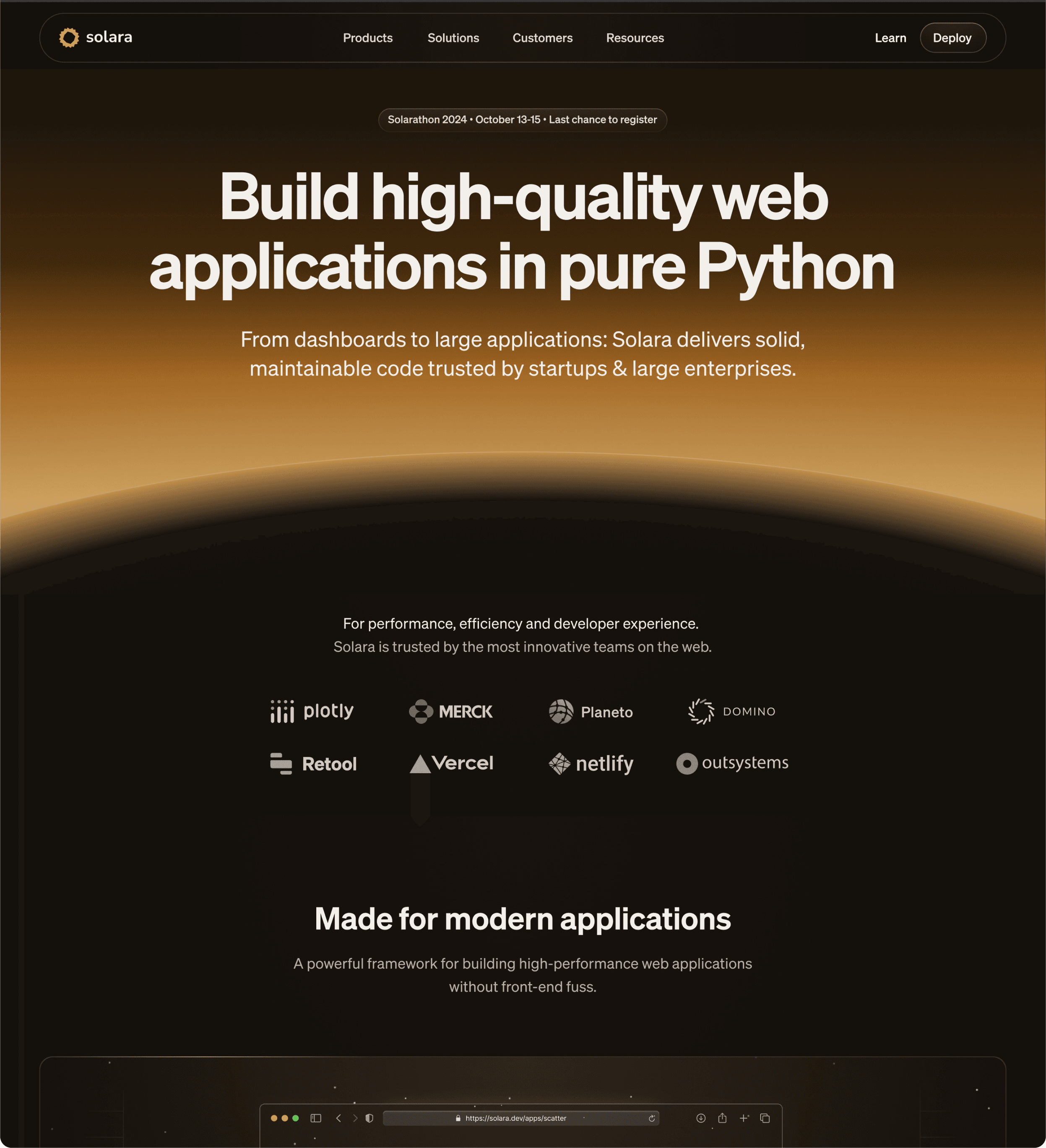
The redesigned Solara documentation portal
Impact
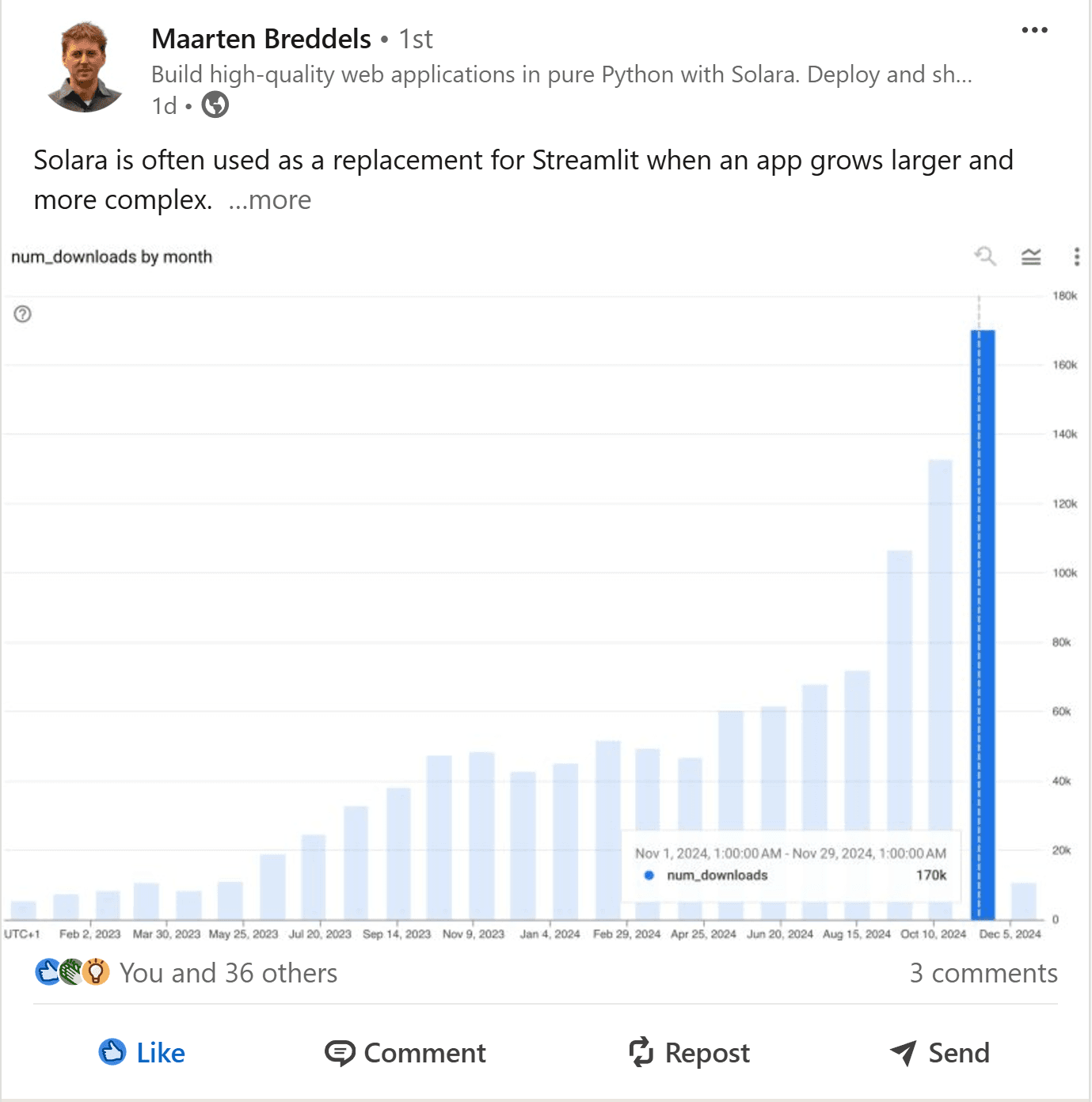
  • 170kMonthly software downloads reached by Q4 2024
  • 30kDevelopers reached across accessible markets
  • $10MTotal addressable market expansion
  • 68%Increase in sign-ups in Q4 2024
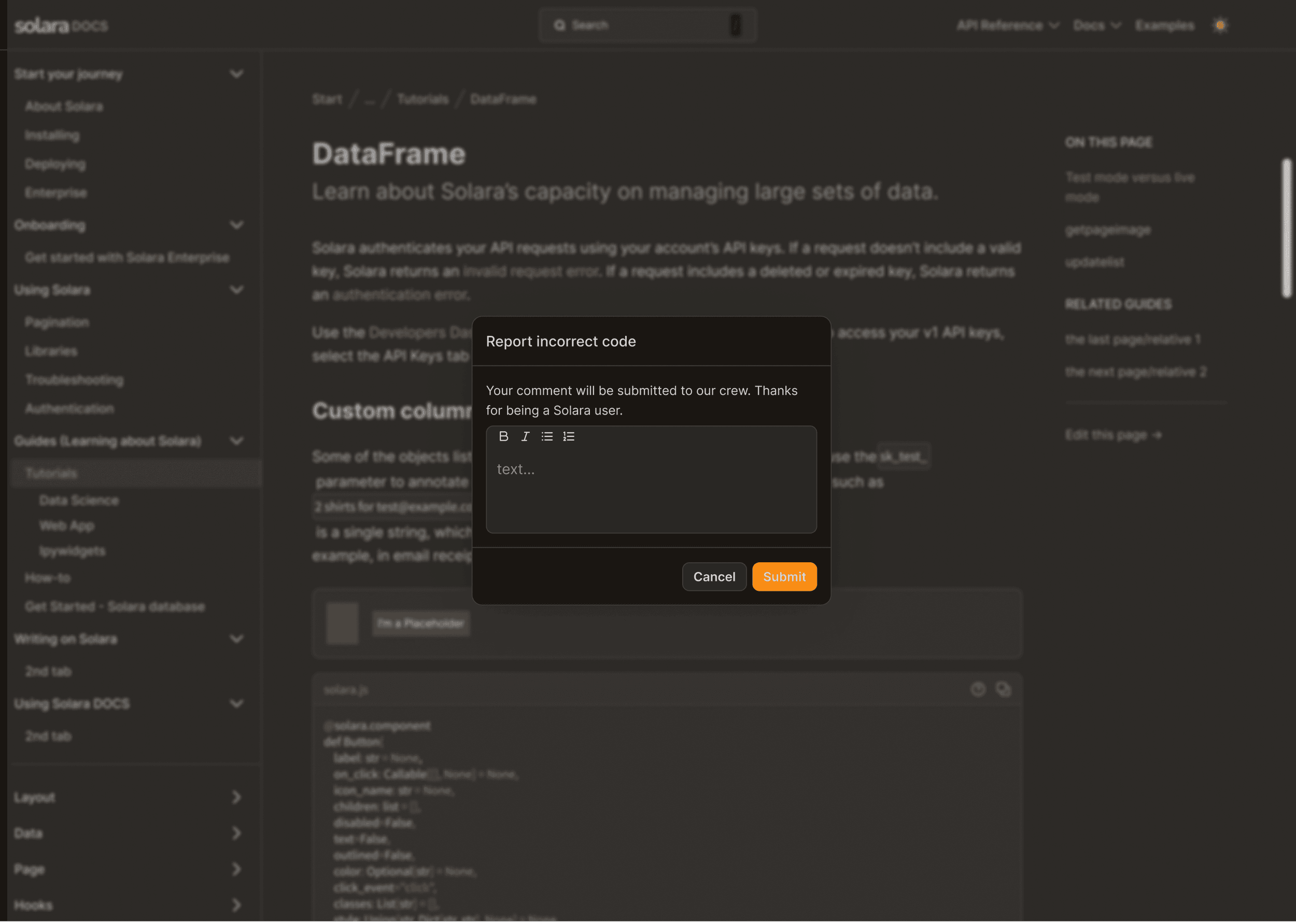
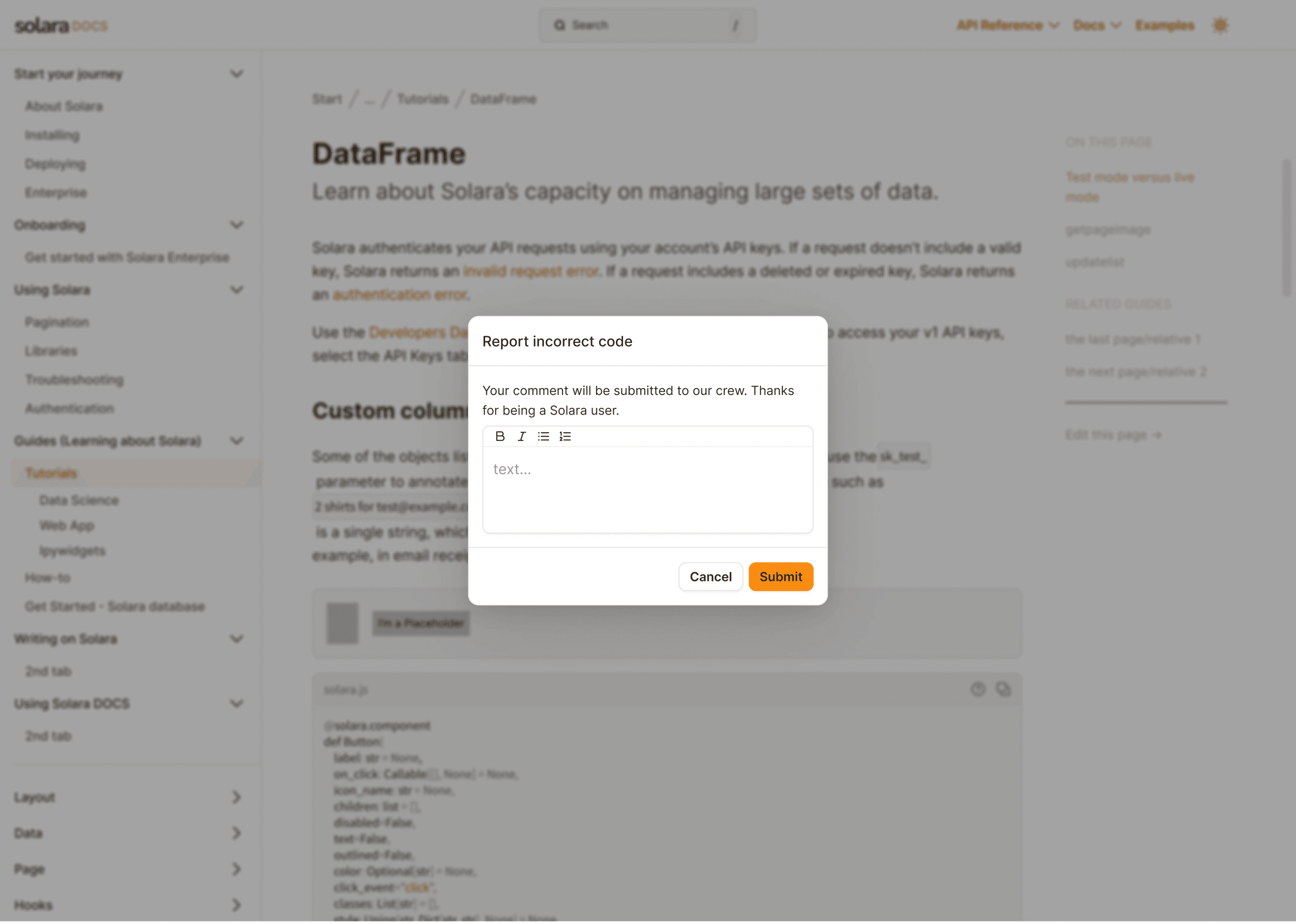
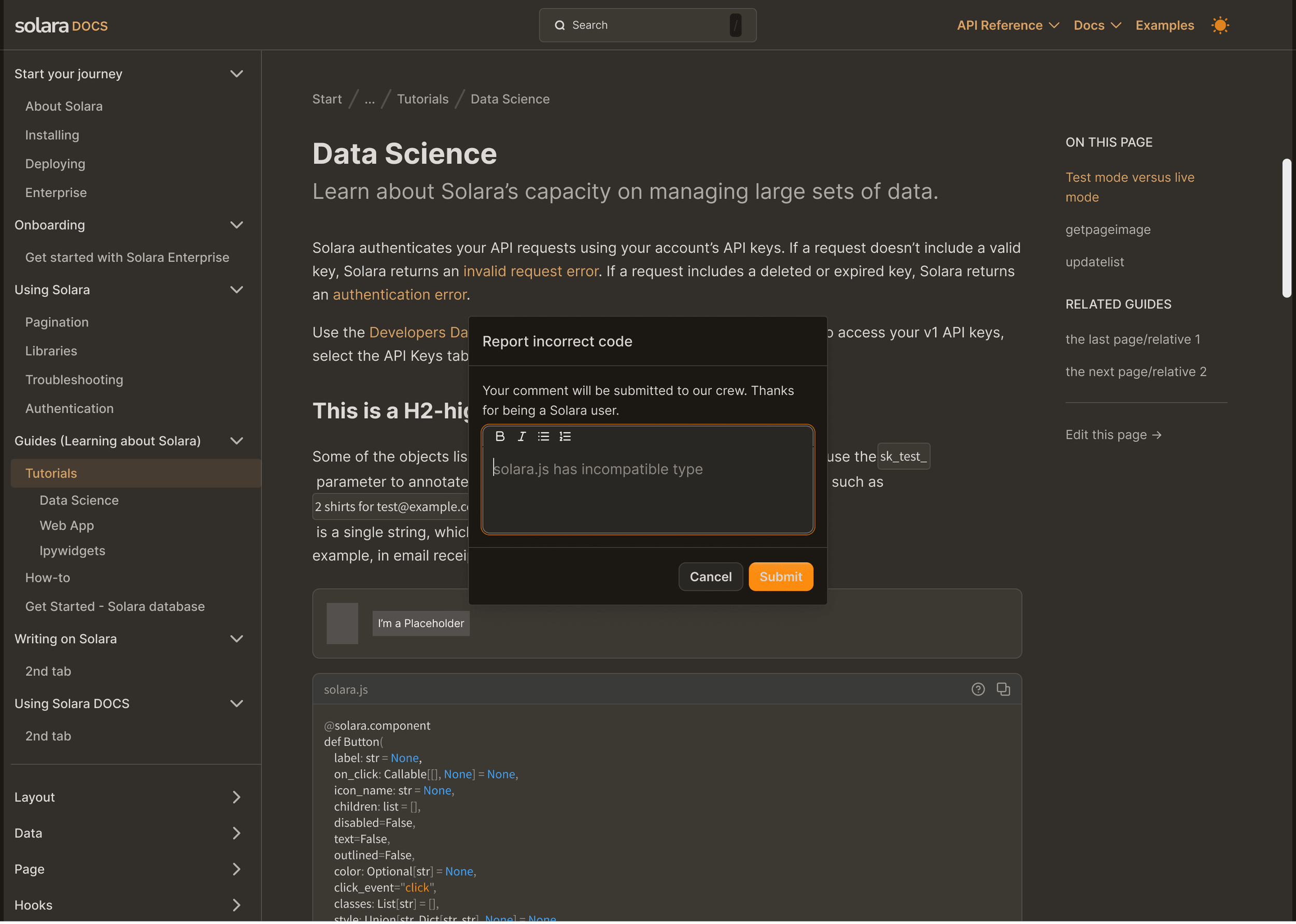
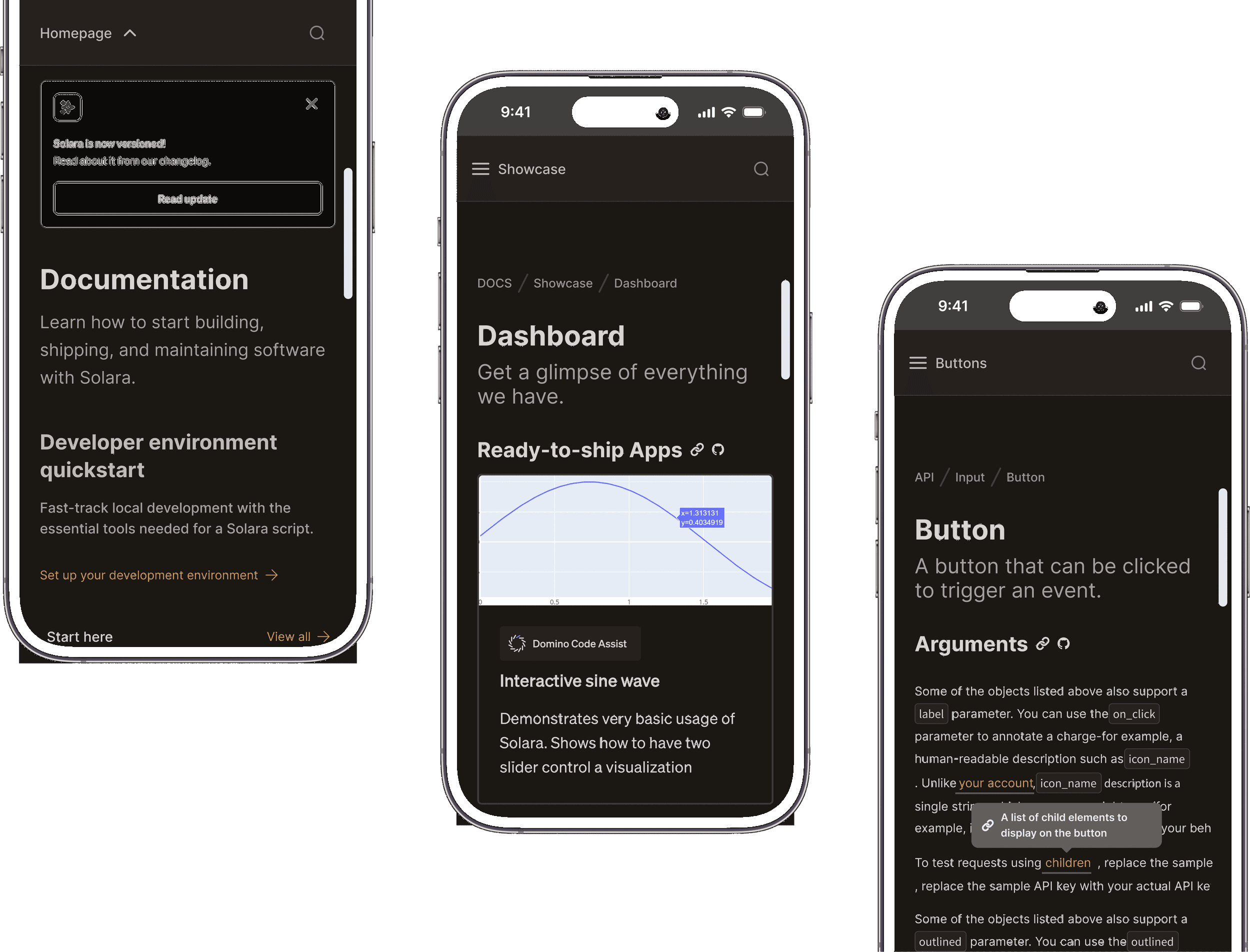
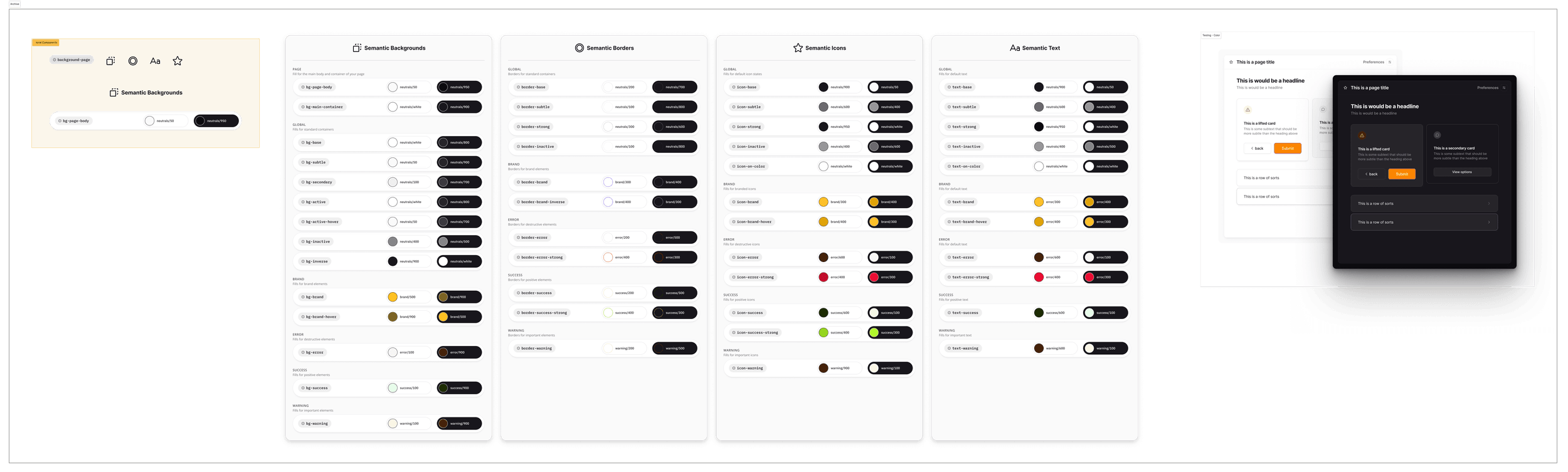
Switching light/dark mode interaction — a key feature of the documentation portal.
Light/dark mode homepage — the new documentation landing experience.
Documentation homepage before redesignBeforeAfter
Light/dark mode modal — consistent theming across all UI surfaces.
Documentation modal before redesignBeforeAfter
API/component page interaction — streamlined navigation for developer reference.

Context

Solara's mission: simplify front-end development.

Developers often struggle to efficiently transition data projects from Jupyter notebooks to scalable web applications due to complex coding requirements. Solara, a Python-based framework, simplifies this process — aiming to increase revenue to $10 million and reach 30,000 developers.

Widgetti is Solara's parent company. In Q4 of 2023, prior to me joining the design team as a contractor, Widgetti had a major update on Solara that was well-received. As Solara rapidly matured, it became necessary to overhaul its website and scale its design operation focused on selling enterprise licenses.

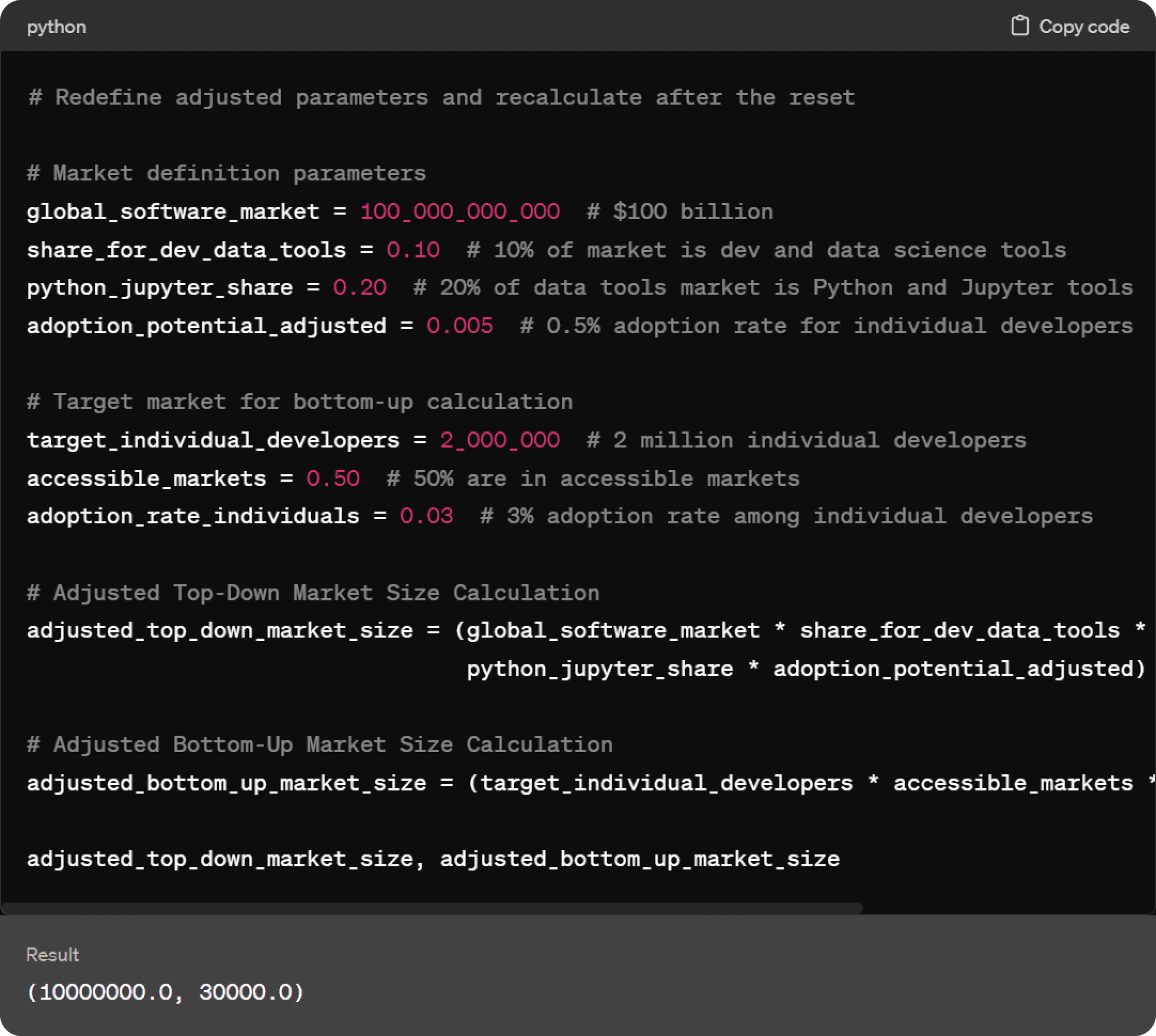
We researched competitors such as Next.js and Retool, and evaluated our total addressable market.

Market size evaluation
Market size evaluation — top-down and bottom-up analysis

Problem

Solara lacked infrastructure to sell.

Good documentation is a developer's best friend. A bad one is their enemy. Although Solara had excellent new features and fantastic integration tools, developers struggled with unnecessary jargon and bad UX.

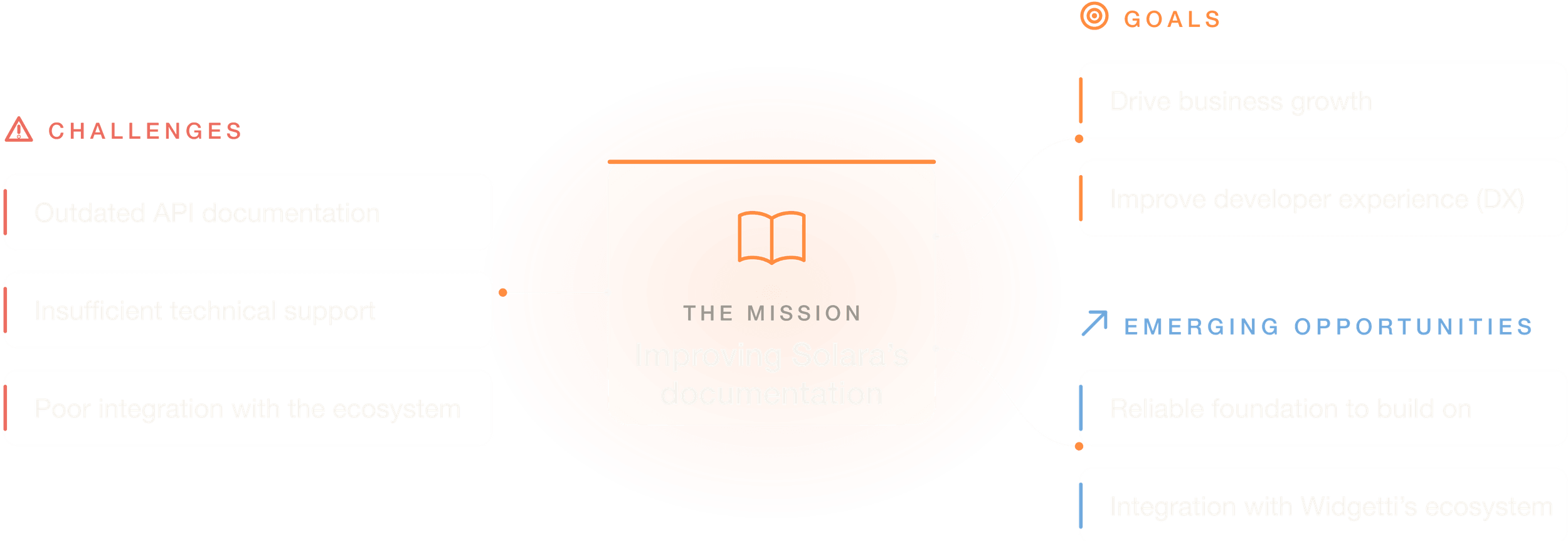
The goal of building great documentation was twofold:

Drive business growth — improve credibility by showcasing commitment to support and reliability; attract users organically; and cut overhead costs with training and support.

Be developer's best friend — smoothen the code review process to help developers identify and submit bugs; improve findability of Solara functions to help developers understand project requirements; facilitate efficient onboarding; increase perceived software quality; and reduce time-to-market for Solara products.

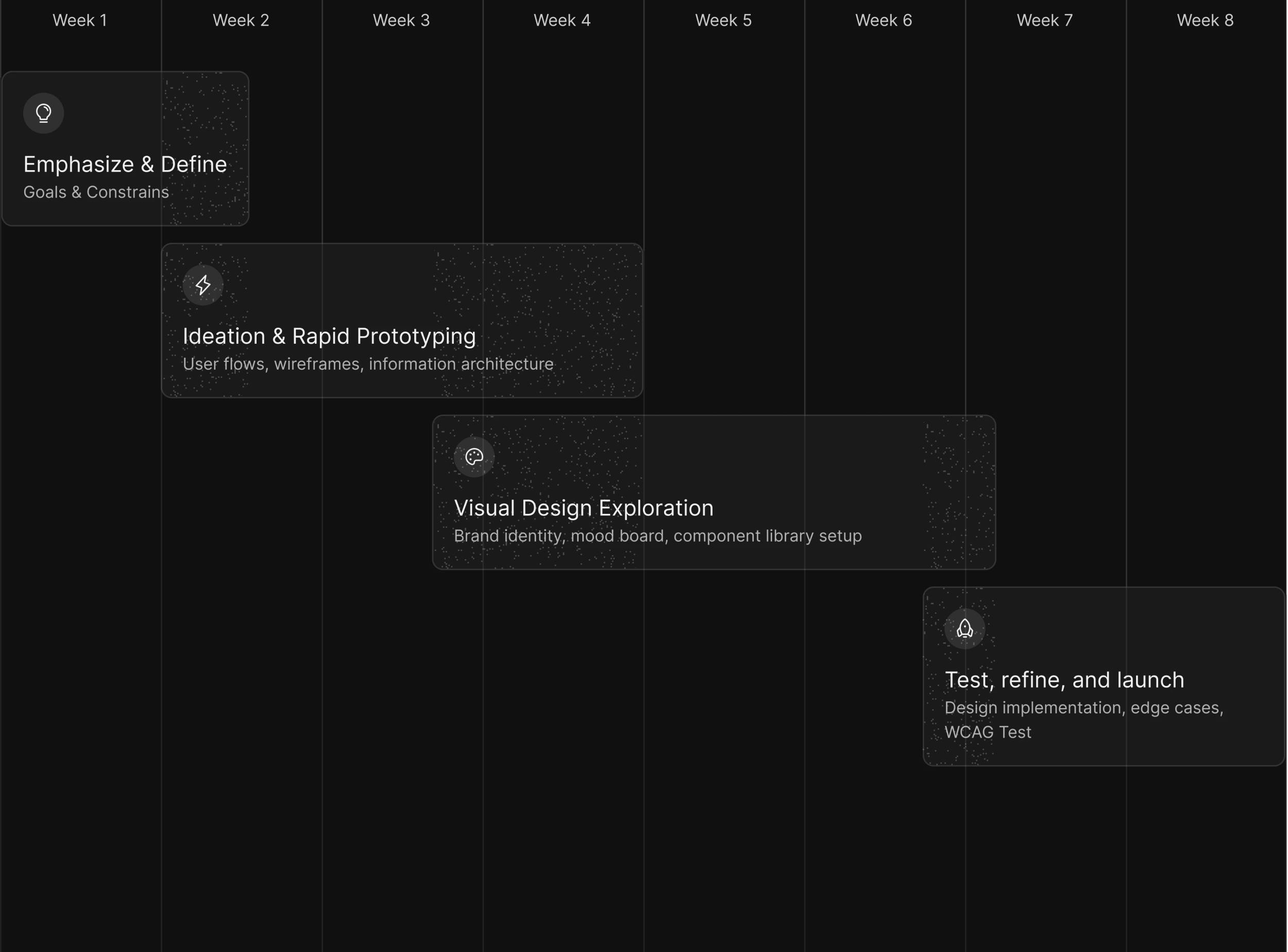
Solara project scope
UX audit — identifying pain points across the existing documentation experience.
UX audit of existing documentation

Research

Clearing the fog — work backwards from developer pain points.

It was critical to first understand where the doc fit amongst the other pillars of Solara-based development lifecycles. I organized existing feedback from Solara's beta launch — building on that foundation.

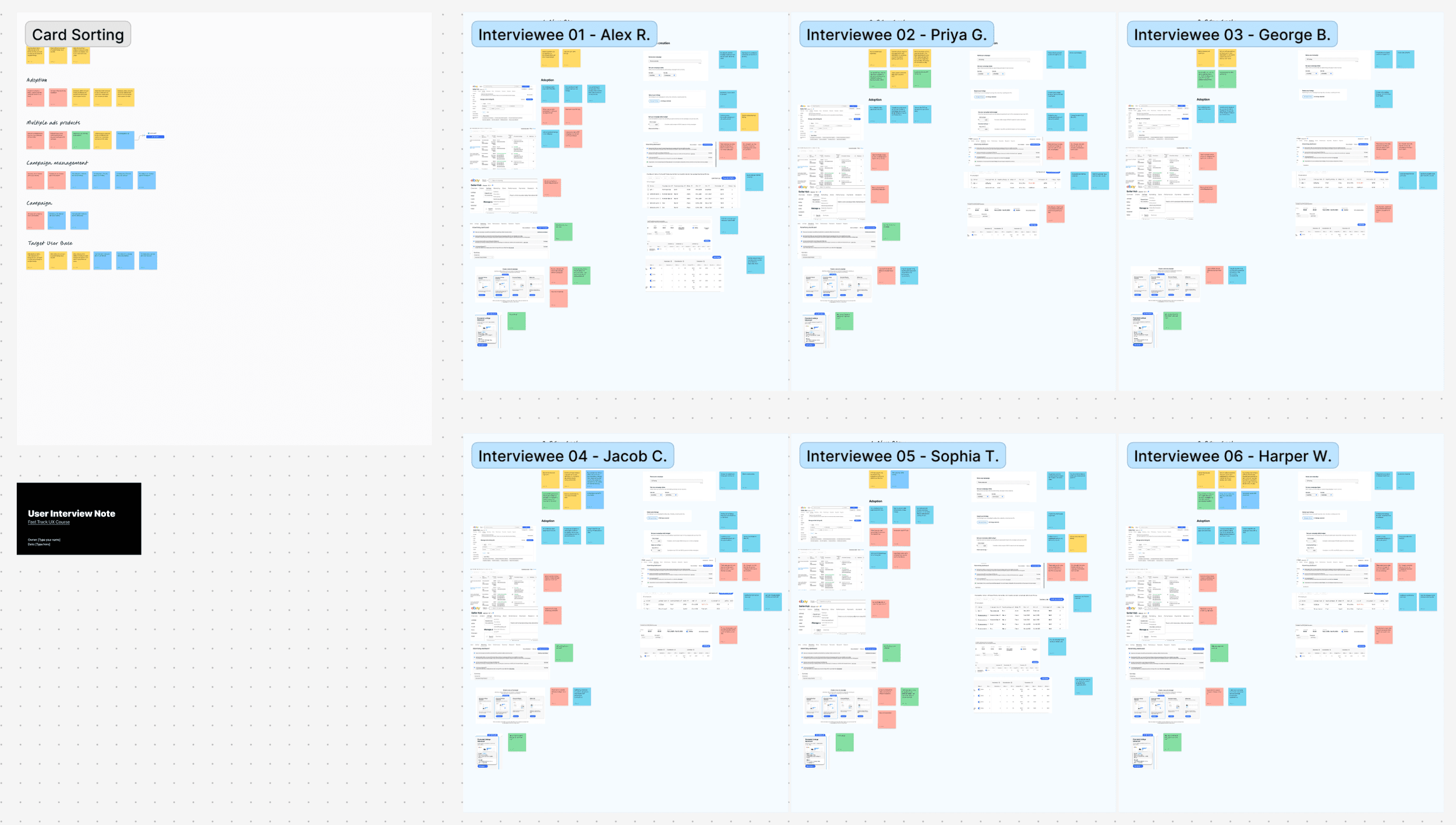
When I joined the team, discovery interviews for the beta launch had already been conducted. I used the discovery interview notes to identify participants for a survey to understand developer pain points. By consulting a customer success teammate with prior marketing experience, I was able to ask the right questions in the right way. This survey gave us valuable input from clients and a clear direction for immediate and long-term Solara ecosystem integration updates.

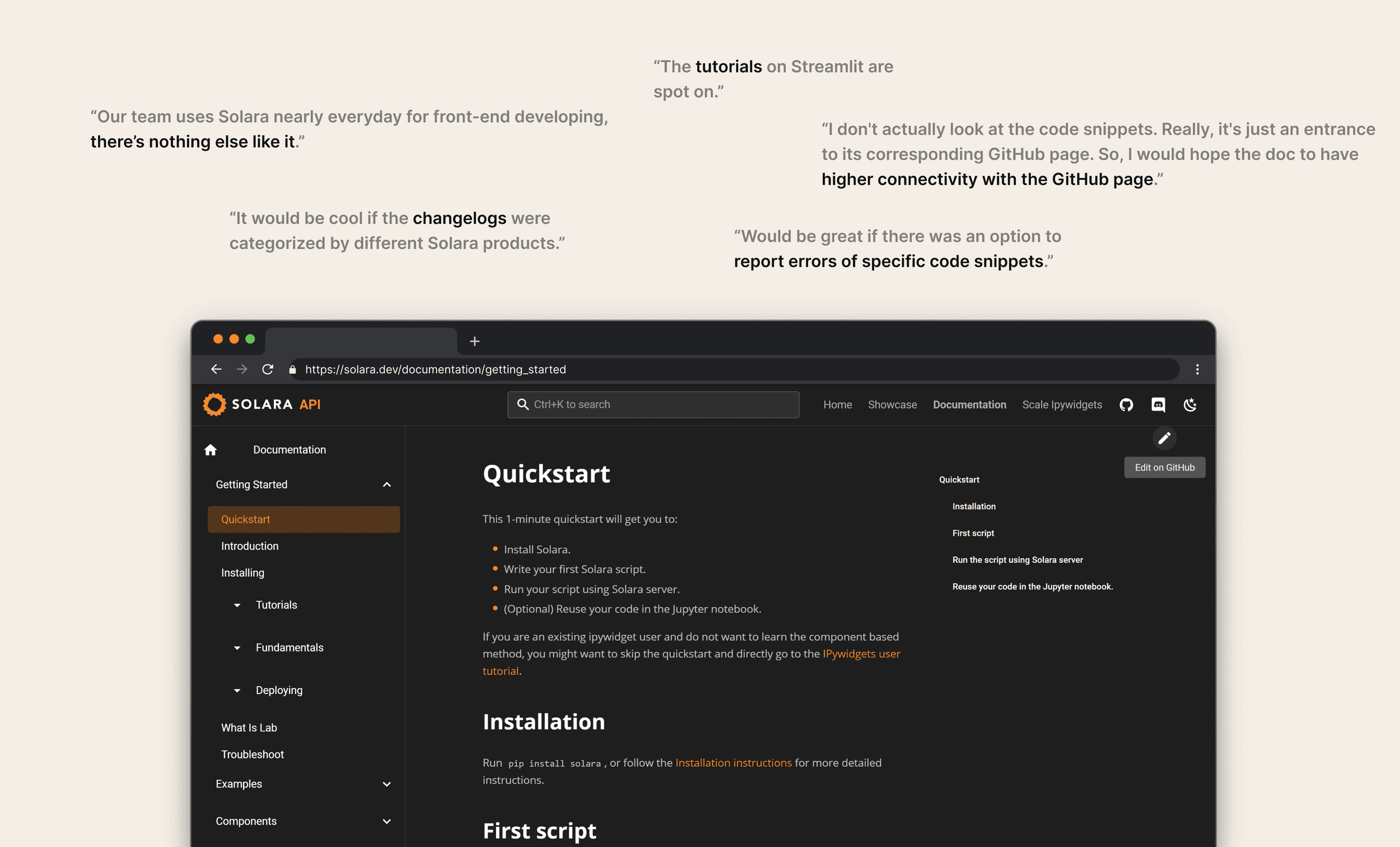
User research — discovery interviews (left) and beta launch feedback (right) shaped the design direction.
Discovery interview feedback
Solara beta launch feedback

TAM Expansion

Guide product-driven growth with North Star metrics.

Two functions identified as "Future Priorities for Solara" were requested by developers in our survey:

External apps — because engineers trust Solara with writing to production databases, Solara has a strong position to move from an internal app builder into any other apps the company needs. To expand beyond internal tools, Solara will have to solve for higher customizability and more unpredictable usage.

Mobile app builder — with a new mobile app builder, Solara is going after marketplaces like Instacart and vertical SaaS like ServiceTitan ($300M ARR), where software powers a distributed workforce of non-employee contractors.

North Star metrics act as a guiding compass, ensuring the product team's efforts are laser-focused on driving meaningful growth. By prioritizing key metrics like Daily Active Users (DAU), Weekly Active Users (WAU), and monthly downloads, we aligned initiatives with strategic objectives.

Our strategy proved successful: Solara reached a significant milestone in November 2024, hitting 170,000 monthly downloads.

Solara monthly downloads growth
Monthly downloads growth — hitting 170k by November 2024

Design Operation

Maintain a "single source of truth."

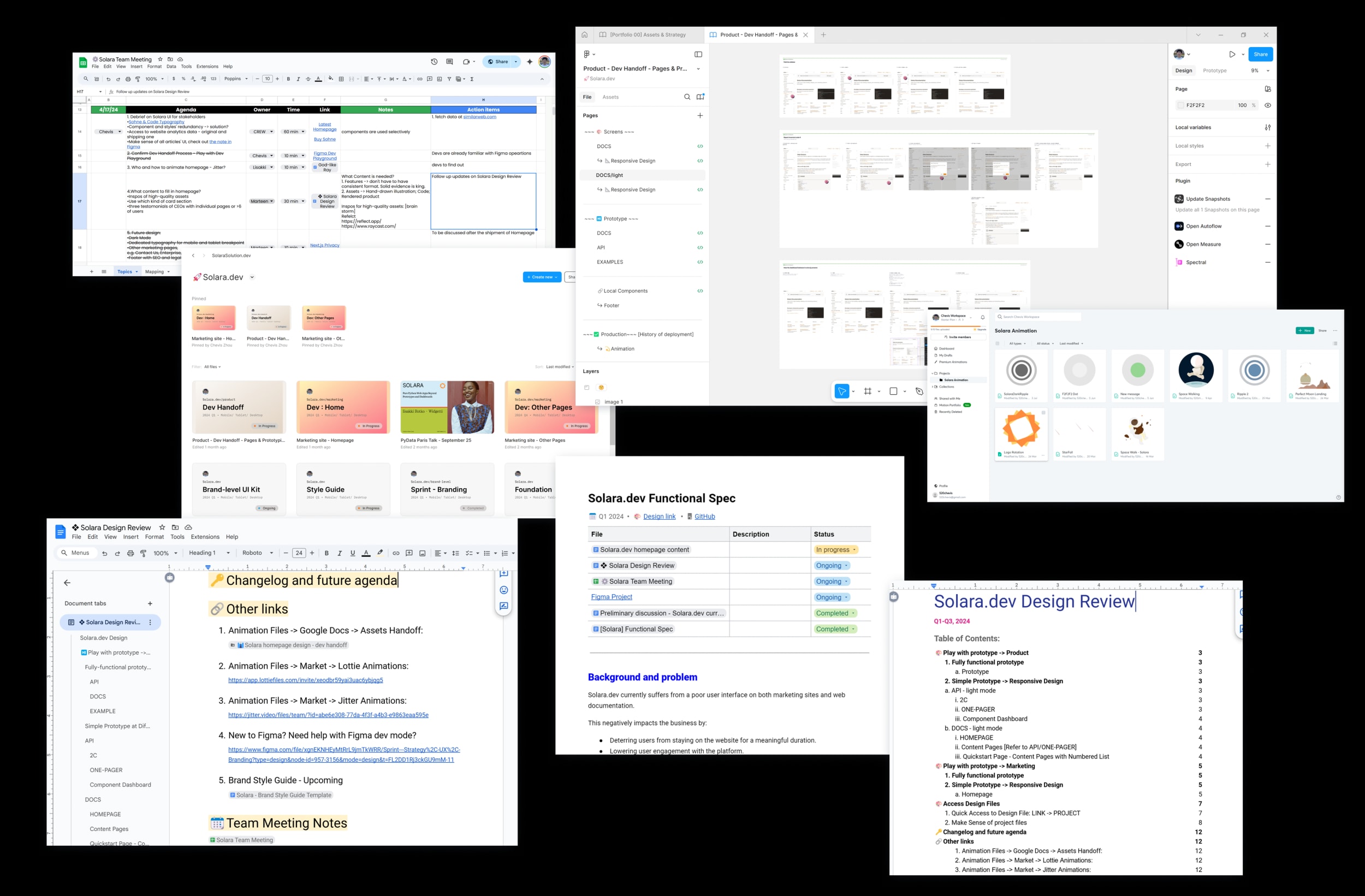
To maintain a single source of truth, we used a queue in Google Workspace to manage tasks: generating and tracking ideas for team meetings, keeping a record of critique guests, and rotating note-taking responsibilities. People could open the queue at any point throughout a given week, and we managed it with Slack morning warm-ups when scheduling weekly meetings.

Toolkit: Figma + Framer + Google Workspace + Storybook + Maze + Slack

I set up well-structured and documented Figma files, streamlined UI development with Storybook, managed tasks through Google Workspace, conducted research through Maze and FigJam, and ensured clear communication via Slack channels.

Design operation overview
Design operation overview — centralized toolkit and workflow

Design Process

Design for business impact.

I made design decisions based on direct user feedback, estimated conversion rates, and considerations for design scalability. I iterated fast with rapid feedback.

Interview, testing, and survey helped prioritize information and consolidate effectively. The goal was to enable users to navigate their tasks effortlessly, making informed decisions without unnecessary interactions by providing clear cues in the summary view.

Design option evaluation
Design option evaluation — weighing approaches against user needs and business goals

Design System

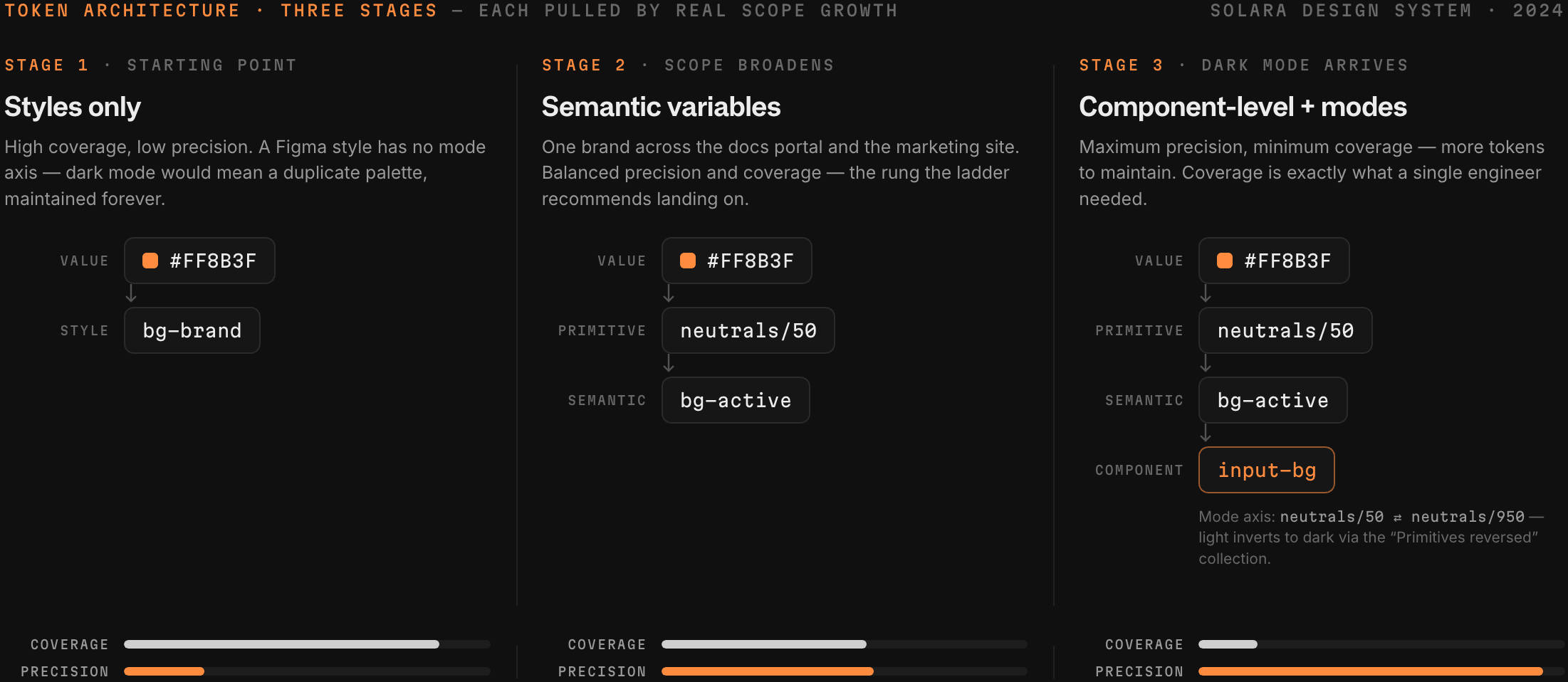
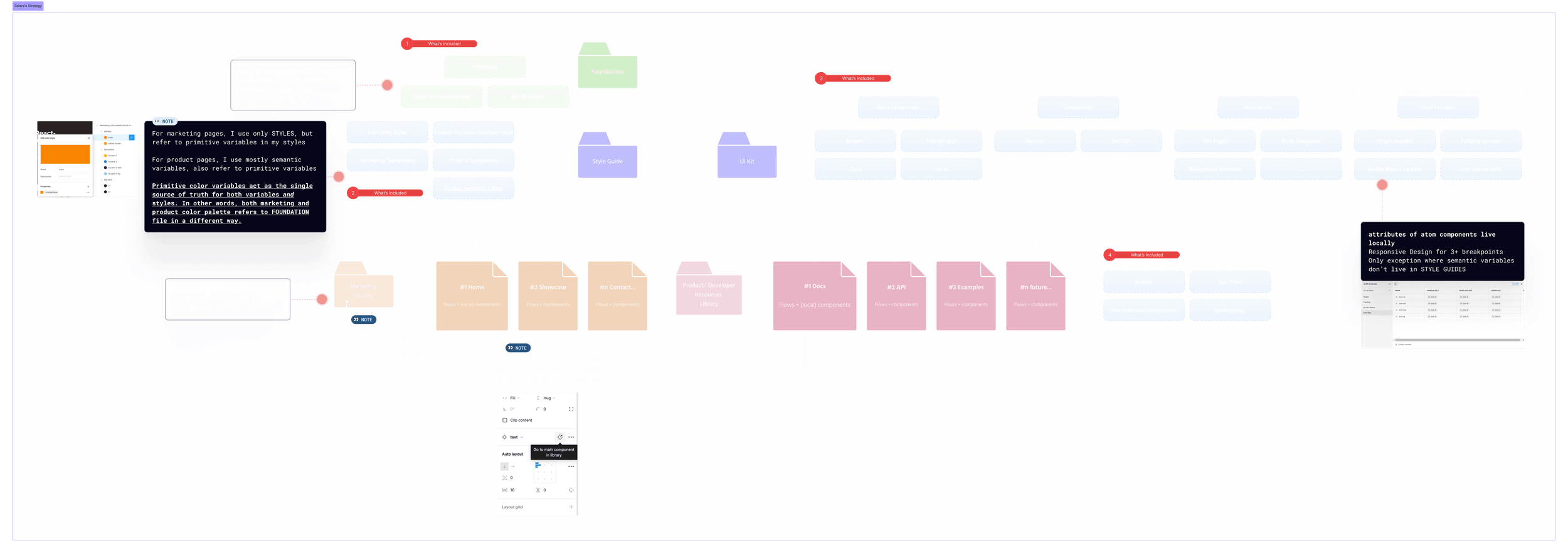
Figma library structure: adaptability over robustness.

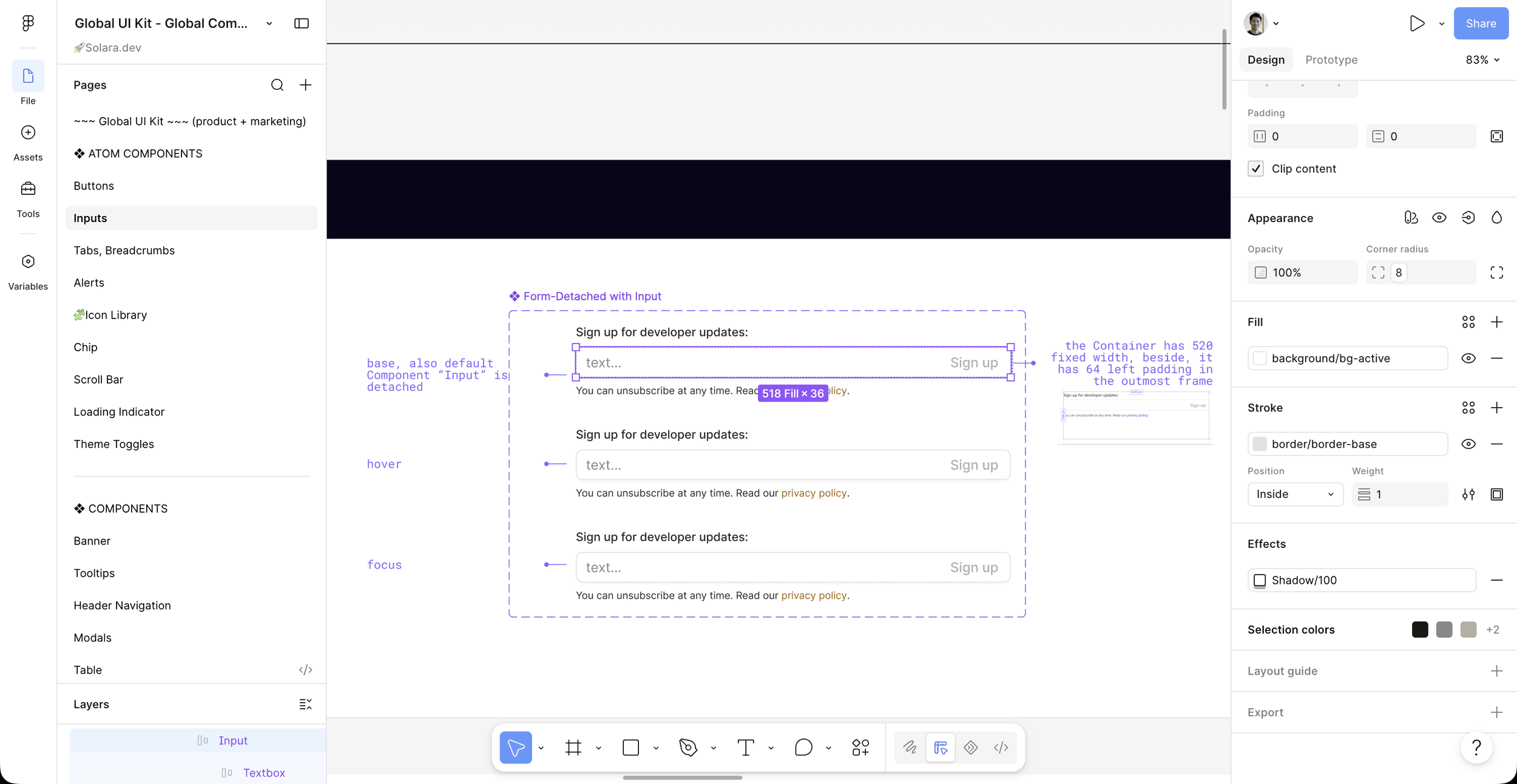
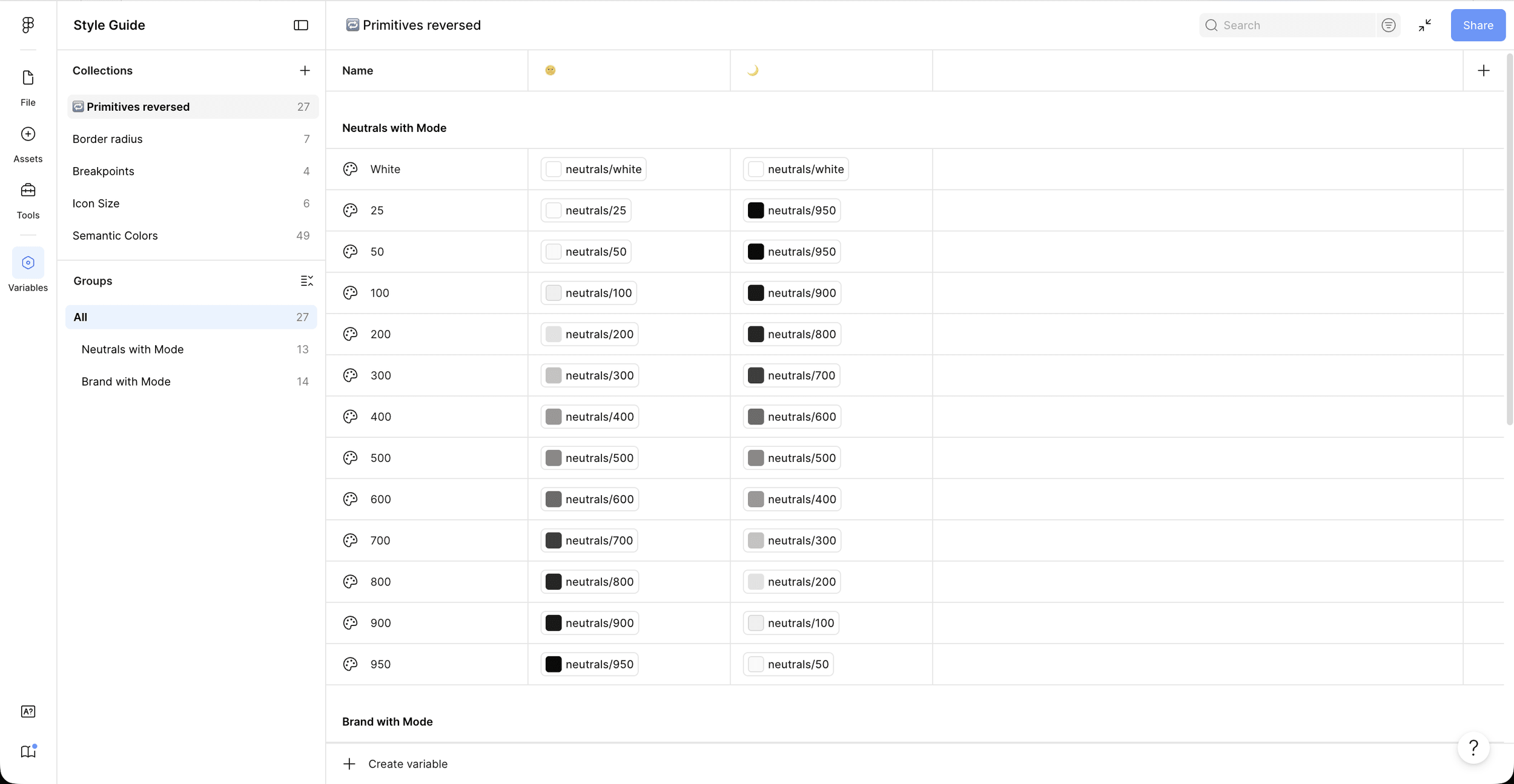
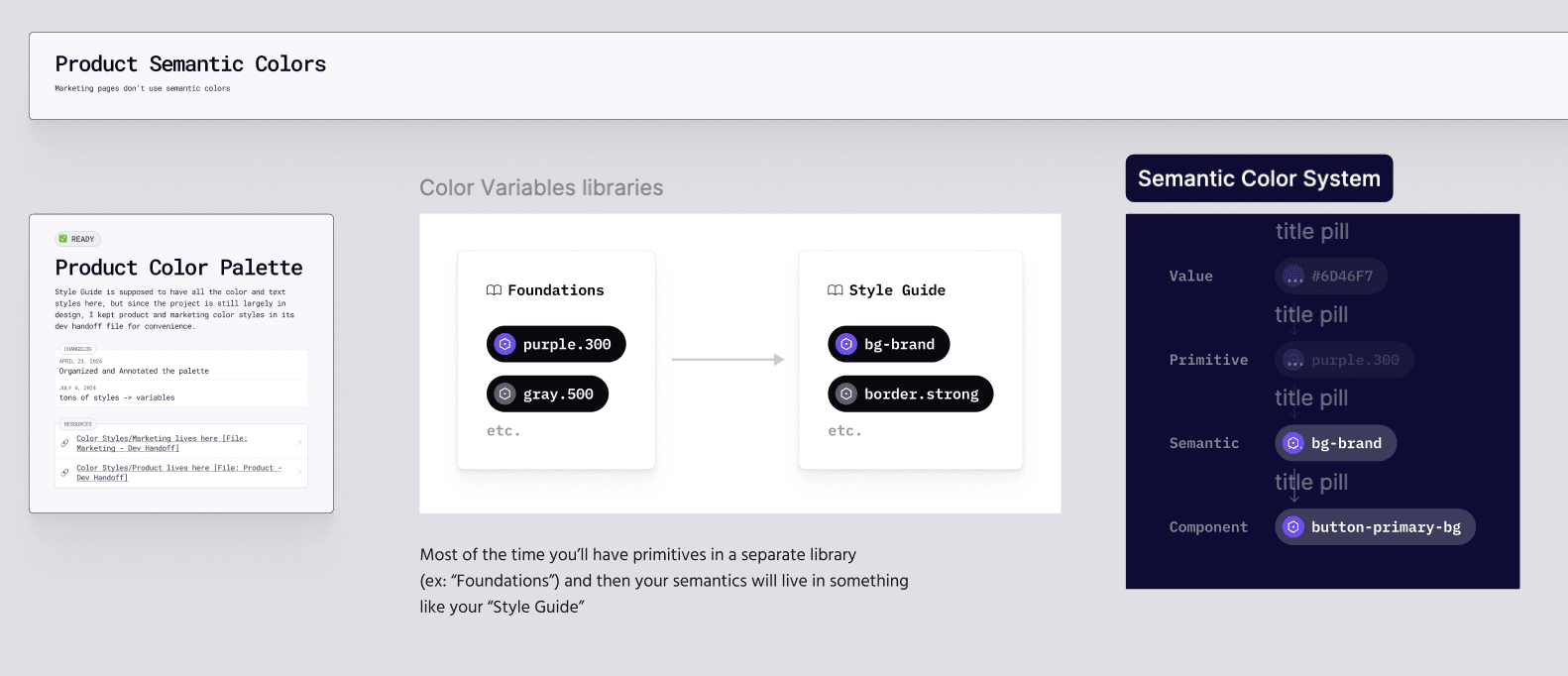
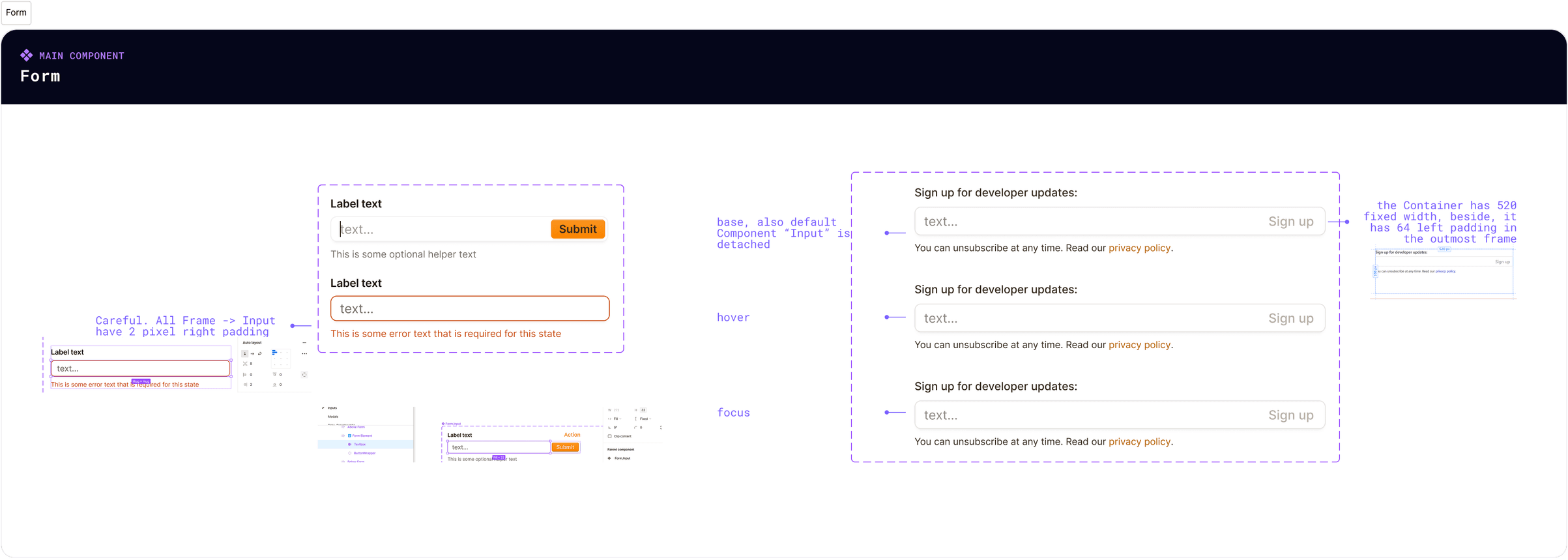
To communicate more effectively with developers inside Figma and maintain design file hygiene, I followed consistent naming conventions and file organization, streamlining the developer handoff process.

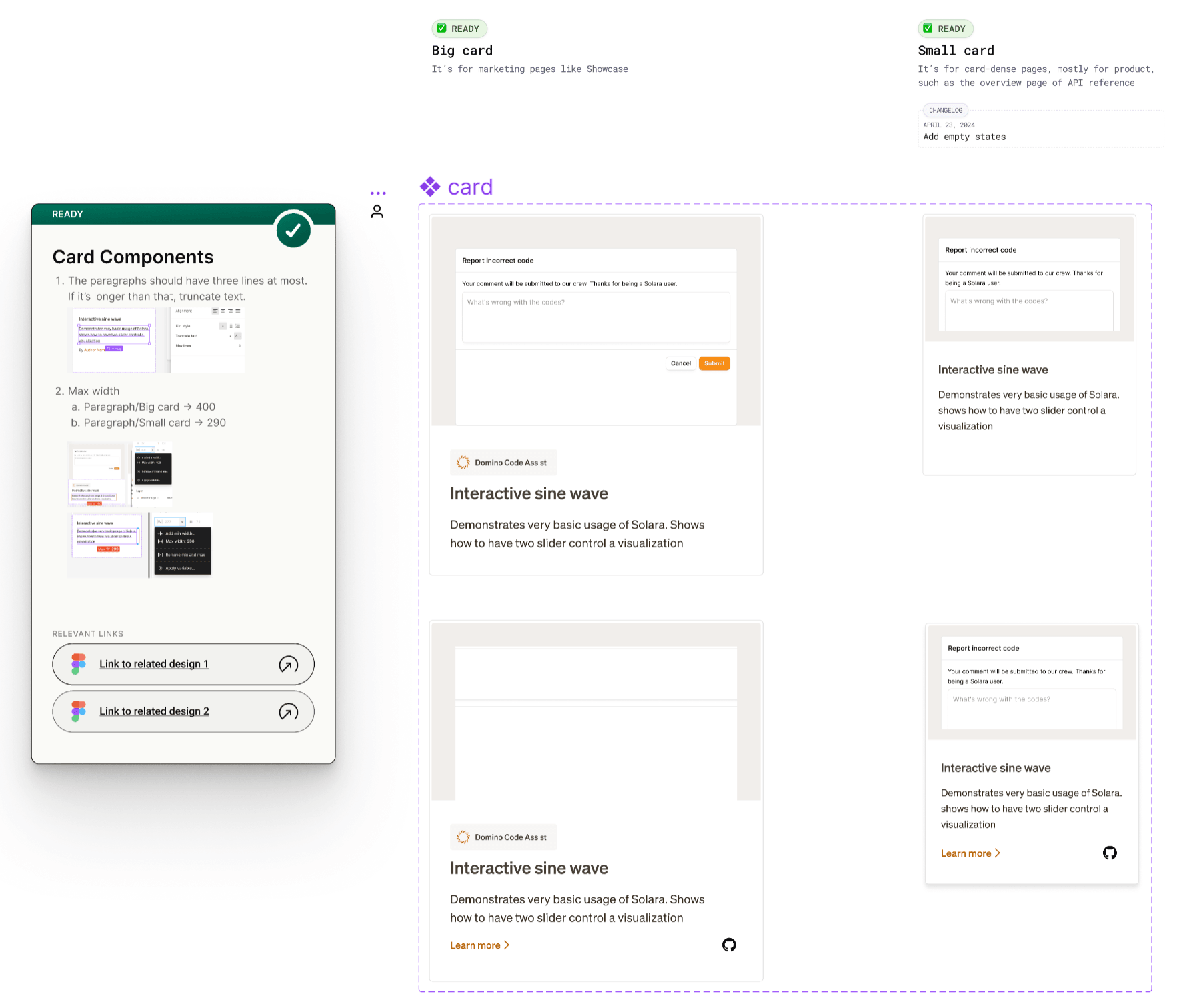
I collaborated closely with SWE to design and implement a card component hover motion concept, representative of sunrise. By only adjusting fundamental opacity and colour properties, the animation was lightweight and implementable purely with CSS transform.

Design handoff documentation
Design documentation sample in the handoff process
Testimonial

“how you work with engineers depends on WHO you are working with”

Ridd@ridd_design
System thinking for scale — strategies for setting up Figma libraries to streamline the design + dev process.
Strategies for setting up Figma libraries

Final Design

One Stone, Three Birds.

Previously, finding advanced features required five clicks; now they're prominently displayed on the listing page, just one click away. This solution not only addresses the entry point issue but also streamlines setup and management. One solution, three benefits.

BeforeAfter
Entry PointInvisibleOn listing page
SetupNo easy setup2 clicks
ManagementDifficult2 clicks
Before/after API page — from cluttered to clear.
API page before redesignBeforeAfter
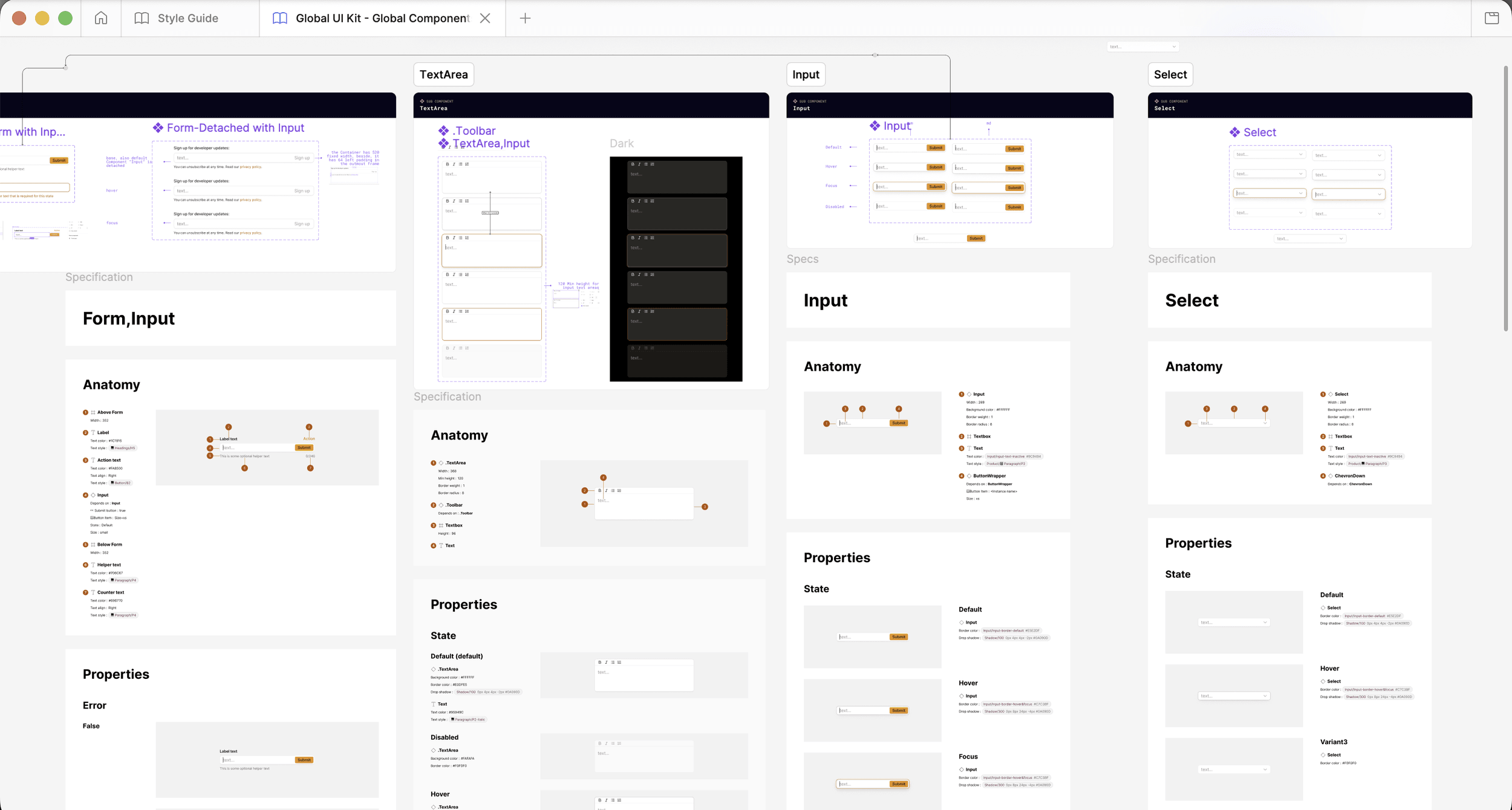
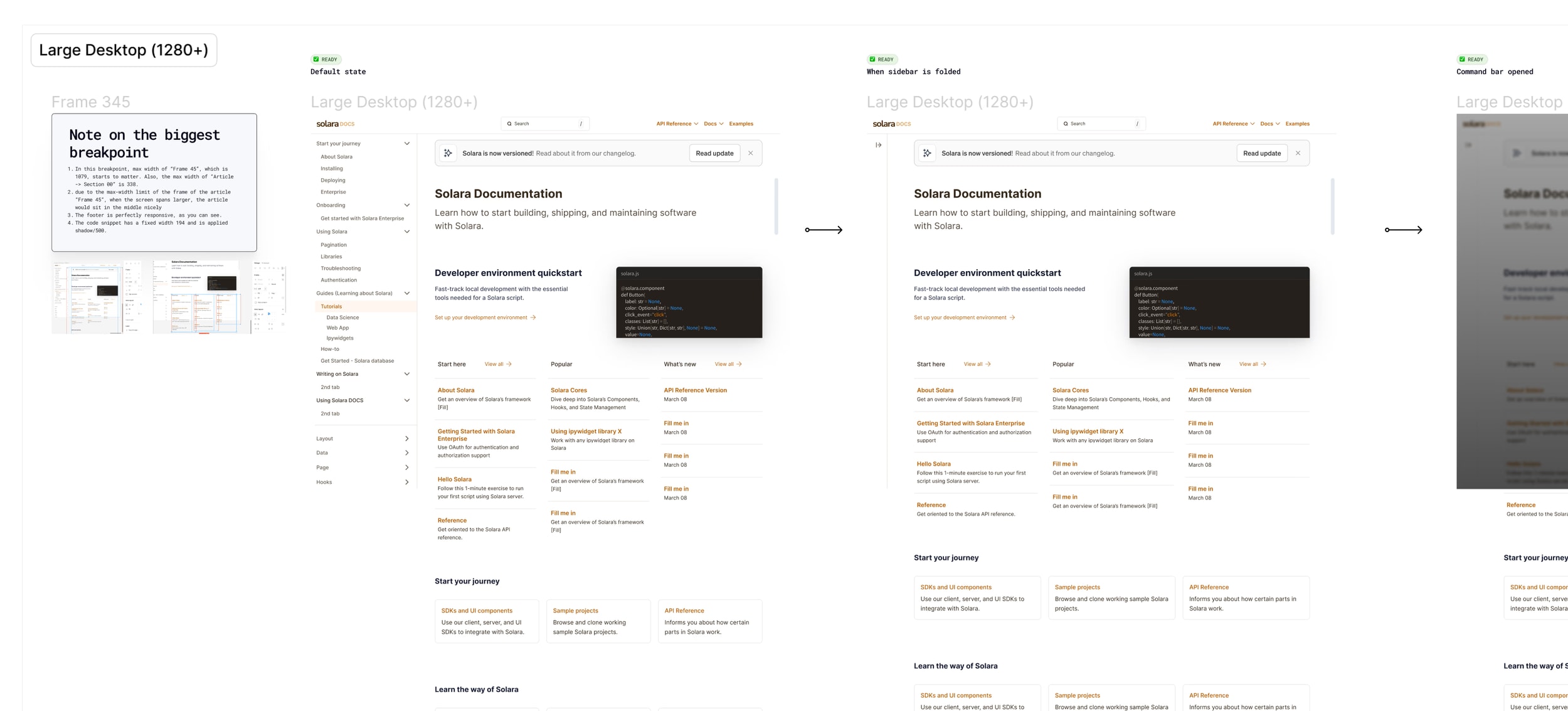
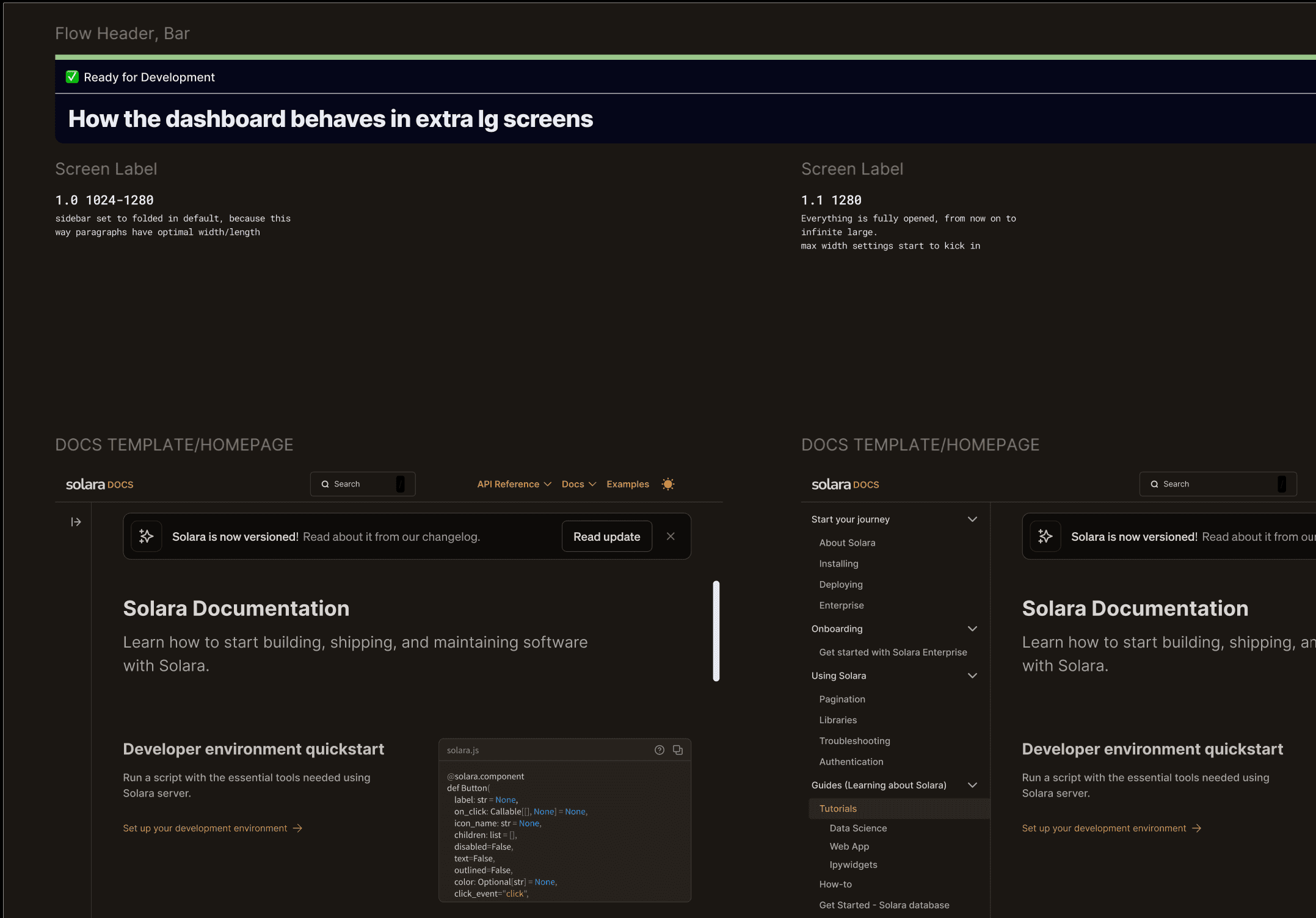
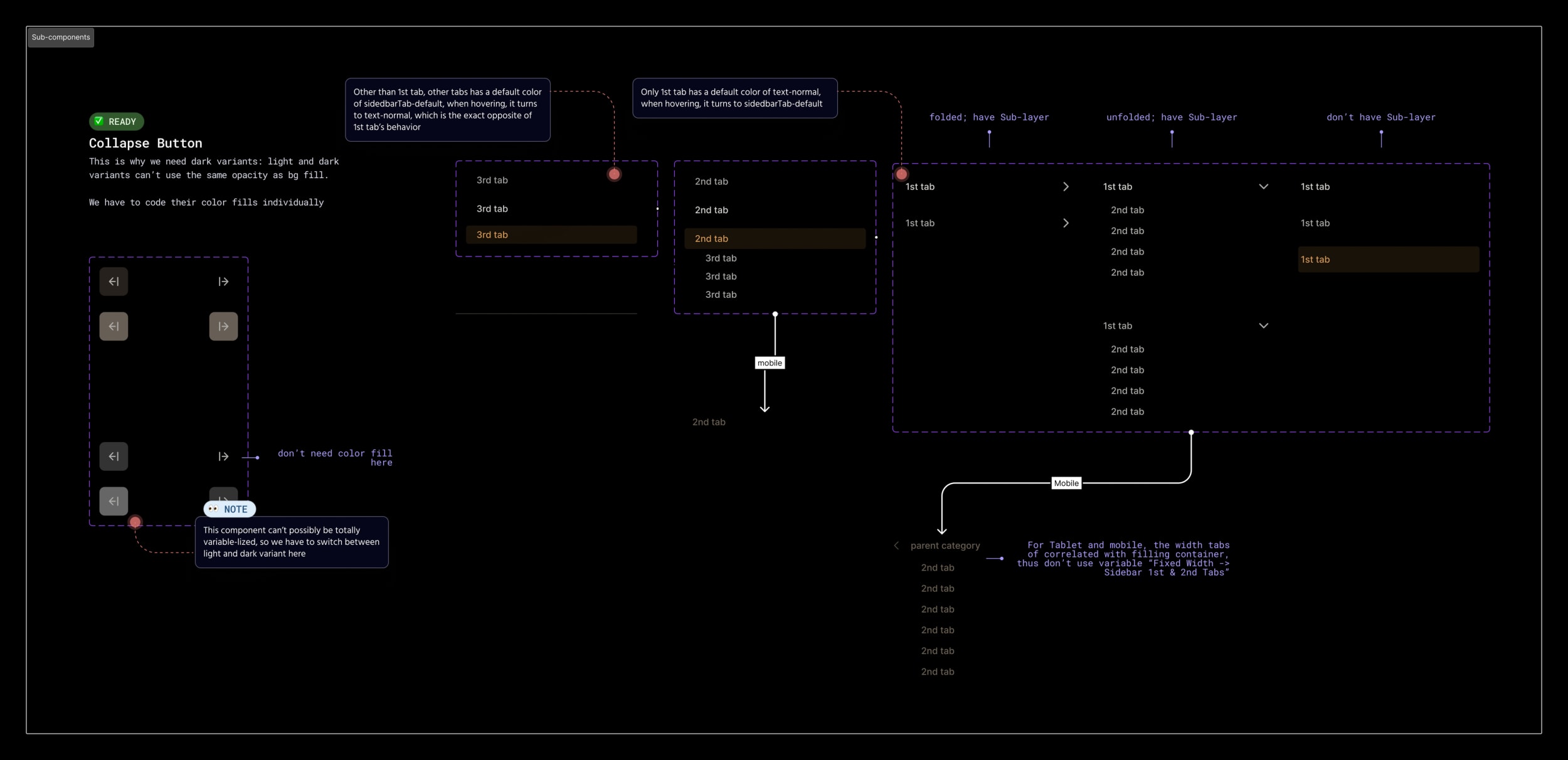
Sample developer handoff — flow documentation (left) and component specs (right).
Sample dev handoff: flow
Sample dev handoff: components

Design Validation

Transforming Solara's visual identity.

Inspired by the current website and astronaut imagery, I transformed original toy-like spatial gadgets into hyper-realistic animation of the hero section.

Before/after web documentation — a complete visual transformation.
Web documentation before redesignBeforeAfter
Testimonial

“I love the new grouping feature! This is incredibly useful and gives me a sense of achievement.”

Nicolás DankiewiczEngineer

Impact

Collaboration is key.

All outlined OKRs of Q1 were successfully achieved. An API reference documentation design prototype was presented at an all-hands by the end of Q2 and was well-received. Stakeholders were impressed by the result.

The team really wanted to start building it — and it led to a 68% increase in sign-ups in Q4 2024. Besides that, WCAG 2.1 AA compliance across all CTAs and core information.

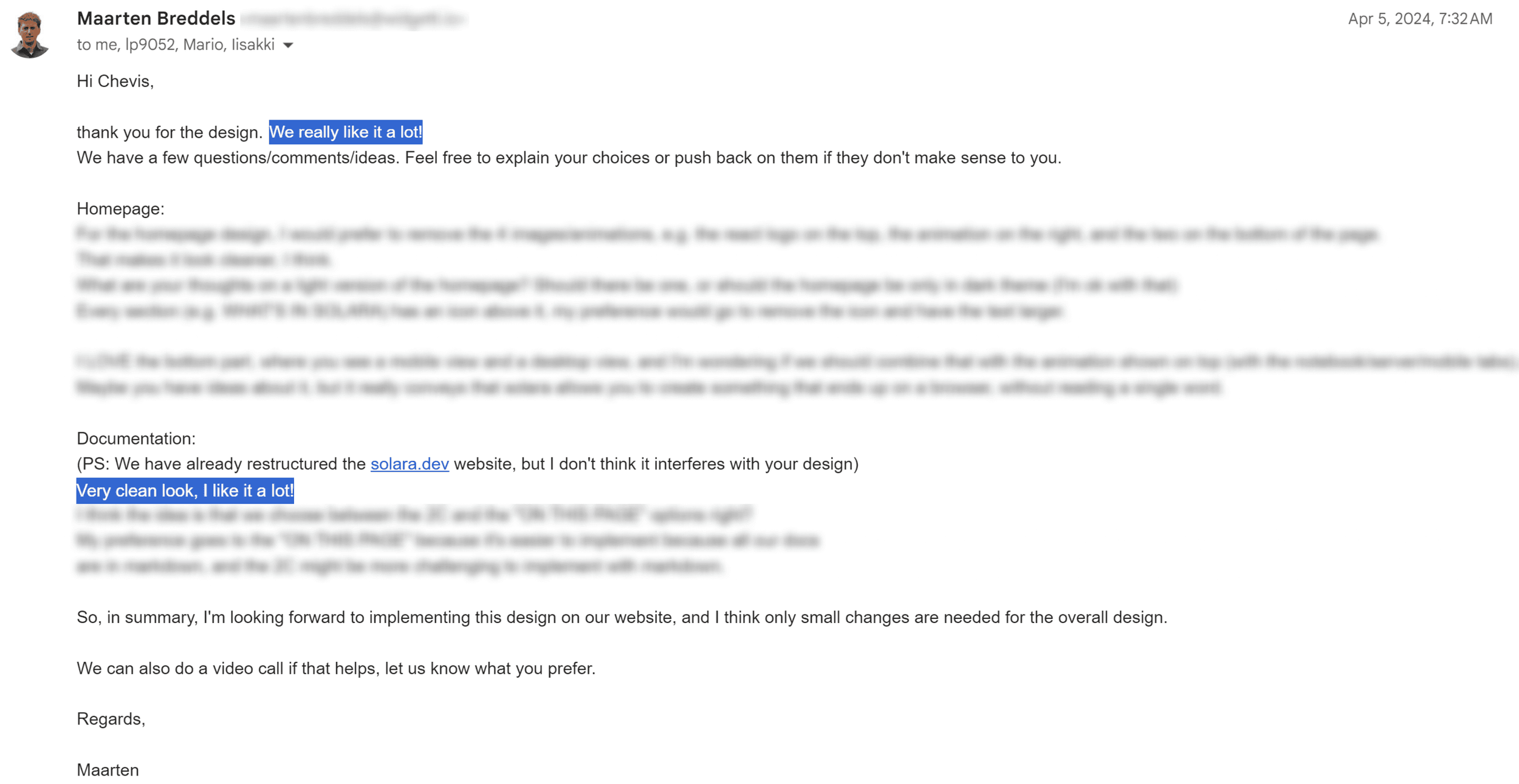
Testimonials from colleagues

Key Takeaways

Cross-functional partners should be involved as early as possible. It fostered a holistic approach to the project, where content strategy and technical limitations were considered in tandem.

Design with Soul. Even the most mundane products deserve a touch of soul. Documentation can shine too. I infused the web documentation with thoughtful details that conveyed our brand's trustworthiness. It's about communicating that our framework is a reliable foundation for building and running software.

Nurture the Ecosystem. Growing a product is like gardening. You nurture the ecosystem, trust the process, and know when to prune and plant new seeds. The fruits will come naturally. We built trustworthy documentation to attract users organically, reduced costs, and showcased our commitment to support.

Related Work